
Get trending papers in your email inbox once a day!
Get trending papers in your email inbox!
Subscribe



LF-Steering: Latent Feature Activation Steering for Enhancing Semantic Consistency in Large Language Models
Large Language Models (LLMs) often generate inconsistent responses when prompted with semantically equivalent paraphrased inputs. Recently, activation steering, a technique that modulates LLMs' behaviours by adjusting their latent representations during inference time, has been explored to improve the semantic consistency of LLMs. However, these methods typically operate at the model component level, such as layer hidden states or attention head outputs. They face a challenge due to the ``polysemanticity issue'', where the model components of LLMs typically encode multiple entangled features, making precise steering difficult. To address this challenge, we drill down to feature-level representations and propose LF-Steering, a novel activation steering approach to precisely identify latent feature representations responsible for semantic inconsistency. More specifically, our method maps the hidden states of the relevant transformer layer into a sparsely activated, high-dimensional feature space based on a sparse autoencoder (SAE), ensuring model steering based on decoupled feature representations with minimal interference. Comprehensive experiments on NLU and NLG datasets demonstrate the effectiveness of our method in enhancing semantic consistency, resulting in significant performance gains for various NLU and NLG tasks.
Masked Autoencoders with Multi-Window Local-Global Attention Are Better Audio Learners
In this work, we propose a Multi-Window Masked Autoencoder (MW-MAE) fitted with a novel Multi-Window Multi-Head Attention (MW-MHA) module that facilitates the modelling of local-global interactions in every decoder transformer block through attention heads of several distinct local and global windows. Empirical results on ten downstream audio tasks show that MW-MAEs consistently outperform standard MAEs in overall performance and learn better general-purpose audio representations, along with demonstrating considerably better scaling characteristics. Investigating attention distances and entropies reveals that MW-MAE encoders learn heads with broader local and global attention. Analyzing attention head feature representations through Projection Weighted Canonical Correlation Analysis (PWCCA) shows that attention heads with the same window sizes across the decoder layers of the MW-MAE learn correlated feature representations which enables each block to independently capture local and global information, leading to a decoupled decoder feature hierarchy. Code for feature extraction and downstream experiments along with pre-trained models will be released publically.
A Light-Weight Framework for Open-Set Object Detection with Decoupled Feature Alignment in Joint Space
Open-set object detection (OSOD) is highly desirable for robotic manipulation in unstructured environments. However, existing OSOD methods often fail to meet the requirements of robotic applications due to their high computational burden and complex deployment. To address this issue, this paper proposes a light-weight framework called Decoupled OSOD (DOSOD), which is a practical and highly efficient solution to support real-time OSOD tasks in robotic systems. Specifically, DOSOD builds upon the YOLO-World pipeline by integrating a vision-language model (VLM) with a detector. A Multilayer Perceptron (MLP) adaptor is developed to transform text embeddings extracted by the VLM into a joint space, within which the detector learns the region representations of class-agnostic proposals. Cross-modality features are directly aligned in the joint space, avoiding the complex feature interactions and thereby improving computational efficiency. DOSOD operates like a traditional closed-set detector during the testing phase, effectively bridging the gap between closed-set and open-set detection. Compared to the baseline YOLO-World, the proposed DOSOD significantly enhances real-time performance while maintaining comparable accuracy. The slight DOSOD-S model achieves a Fixed AP of 26.7%, compared to 26.2% for YOLO-World-v1-S and 22.7% for YOLO-World-v2-S, using similar backbones on the LVIS minival dataset. Meanwhile, the FPS of DOSOD-S is 57.1% higher than YOLO-World-v1-S and 29.6% higher than YOLO-World-v2-S. Meanwhile, we demonstrate that the DOSOD model facilitates the deployment of edge devices. The codes and models are publicly available at https://github.com/D-Robotics-AI-Lab/DOSOD.
VI-Net: Boosting Category-level 6D Object Pose Estimation via Learning Decoupled Rotations on the Spherical Representations
Rotation estimation of high precision from an RGB-D object observation is a huge challenge in 6D object pose estimation, due to the difficulty of learning in the non-linear space of SO(3). In this paper, we propose a novel rotation estimation network, termed as VI-Net, to make the task easier by decoupling the rotation as the combination of a viewpoint rotation and an in-plane rotation. More specifically, VI-Net bases the feature learning on the sphere with two individual branches for the estimates of two factorized rotations, where a V-Branch is employed to learn the viewpoint rotation via binary classification on the spherical signals, while another I-Branch is used to estimate the in-plane rotation by transforming the signals to view from the zenith direction. To process the spherical signals, a Spherical Feature Pyramid Network is constructed based on a novel design of SPAtial Spherical Convolution (SPA-SConv), which settles the boundary problem of spherical signals via feature padding and realizesviewpoint-equivariant feature extraction by symmetric convolutional operations. We apply the proposed VI-Net to the challenging task of category-level 6D object pose estimation for predicting the poses of unknown objects without available CAD models; experiments on the benchmarking datasets confirm the efficacy of our method, which outperforms the existing ones with a large margin in the regime of high precision.

BadVLA: Towards Backdoor Attacks on Vision-Language-Action Models via Objective-Decoupled Optimization
Vision-Language-Action (VLA) models have advanced robotic control by enabling end-to-end decision-making directly from multimodal inputs. However, their tightly coupled architectures expose novel security vulnerabilities. Unlike traditional adversarial perturbations, backdoor attacks represent a stealthier, persistent, and practically significant threat-particularly under the emerging Training-as-a-Service paradigm-but remain largely unexplored in the context of VLA models. To address this gap, we propose BadVLA, a backdoor attack method based on Objective-Decoupled Optimization, which for the first time exposes the backdoor vulnerabilities of VLA models. Specifically, it consists of a two-stage process: (1) explicit feature-space separation to isolate trigger representations from benign inputs, and (2) conditional control deviations that activate only in the presence of the trigger, while preserving clean-task performance. Empirical results on multiple VLA benchmarks demonstrate that BadVLA consistently achieves near-100% attack success rates with minimal impact on clean task accuracy. Further analyses confirm its robustness against common input perturbations, task transfers, and model fine-tuning, underscoring critical security vulnerabilities in current VLA deployments. Our work offers the first systematic investigation of backdoor vulnerabilities in VLA models, highlighting an urgent need for secure and trustworthy embodied model design practices. We have released the project page at https://badvla-project.github.io/.


DeCLIP: Decoupled Learning for Open-Vocabulary Dense Perception
Dense visual prediction tasks have been constrained by their reliance on predefined categories, limiting their applicability in real-world scenarios where visual concepts are unbounded. While Vision-Language Models (VLMs) like CLIP have shown promise in open-vocabulary tasks, their direct application to dense prediction often leads to suboptimal performance due to limitations in local feature representation. In this work, we present our observation that CLIP's image tokens struggle to effectively aggregate information from spatially or semantically related regions, resulting in features that lack local discriminability and spatial consistency. To address this issue, we propose DeCLIP, a novel framework that enhances CLIP by decoupling the self-attention module to obtain ``content'' and ``context'' features respectively. The ``content'' features are aligned with image crop representations to improve local discriminability, while ``context'' features learn to retain the spatial correlations under the guidance of vision foundation models, such as DINO. Extensive experiments demonstrate that DeCLIP significantly outperforms existing methods across multiple open-vocabulary dense prediction tasks, including object detection and semantic segmentation. Code is available at magenta{https://github.com/xiaomoguhz/DeCLIP}.




Generalized Decoupled Learning for Enhancing Open-Vocabulary Dense Perception
Dense visual perception tasks have been constrained by their reliance on predefined categories, limiting their applicability in real-world scenarios where visual concepts are unbounded. While Vision-Language Models (VLMs) like CLIP have shown promise in open-vocabulary tasks, their direct application to dense perception often leads to suboptimal performance due to limitations in local feature representation. In this work, we present our observation that CLIP's image tokens struggle to effectively aggregate information from spatially or semantically related regions, resulting in features that lack local discriminability and spatial consistency. To address this issue, we propose DeCLIP, a novel framework that enhances CLIP by decoupling the self-attention module to obtain ``content'' and ``context'' features respectively. The context features are enhanced by jointly distilling semantic correlations from Vision Foundation Models (VFMs) and object integrity cues from diffusion models, thereby enhancing spatial consistency. In parallel, the content features are aligned with image crop representations and constrained by region correlations from VFMs to improve local discriminability. Extensive experiments demonstrate that DeCLIP establishes a solid foundation for open-vocabulary dense perception, consistently achieving state-of-the-art performance across a broad spectrum of tasks, including 2D detection and segmentation, 3D instance segmentation, video instance segmentation, and 6D object pose estimation. Code is available at https://github.com/xiaomoguhz/DeCLIP
Generalizing to Unseen Domains in Diabetic Retinopathy with Disentangled Representations
Diabetic Retinopathy (DR), induced by diabetes, poses a significant risk of visual impairment. Accurate and effective grading of DR aids in the treatment of this condition. Yet existing models experience notable performance degradation on unseen domains due to domain shifts. Previous methods address this issue by simulating domain style through simple visual transformation and mitigating domain noise via learning robust representations. However, domain shifts encompass more than image styles. They overlook biases caused by implicit factors such as ethnicity, age, and diagnostic criteria. In our work, we propose a novel framework where representations of paired data from different domains are decoupled into semantic features and domain noise. The resulting augmented representation comprises original retinal semantics and domain noise from other domains, aiming to generate enhanced representations aligned with real-world clinical needs, incorporating rich information from diverse domains. Subsequently, to improve the robustness of the decoupled representations, class and domain prototypes are employed to interpolate the disentangled representations while data-aware weights are designed to focus on rare classes and domains. Finally, we devise a robust pixel-level semantic alignment loss to align retinal semantics decoupled from features, maintaining a balance between intra-class diversity and dense class features. Experimental results on multiple benchmarks demonstrate the effectiveness of our method on unseen domains. The code implementations are accessible on https://github.com/richard-peng-xia/DECO.


Long-Sequence Recommendation Models Need Decoupled Embeddings
Lifelong user behavior sequences, comprising up to tens of thousands of history behaviors, are crucial for capturing user interests and predicting user responses in modern recommendation systems. A two-stage paradigm is typically adopted to handle these long sequences: a few relevant behaviors are first searched from the original long sequences via an attention mechanism in the first stage and then aggregated with the target item to construct a discriminative representation for prediction in the second stage. In this work, we identify and characterize, for the first time, a neglected deficiency in existing long-sequence recommendation models: a single set of embeddings struggles with learning both attention and representation, leading to interference between these two processes. Initial attempts to address this issue using linear projections -- a technique borrowed from language processing -- proved ineffective, shedding light on the unique challenges of recommendation models. To overcome this, we propose the Decoupled Attention and Representation Embeddings (DARE) model, where two distinct embedding tables are initialized and learned separately to fully decouple attention and representation. Extensive experiments and analysis demonstrate that DARE provides more accurate search of correlated behaviors and outperforms baselines with AUC gains up to 0.9% on public datasets and notable online system improvements. Furthermore, decoupling embedding spaces allows us to reduce the attention embedding dimension and accelerate the search procedure by 50% without significant performance impact, enabling more efficient, high-performance online serving.

On Deep Multi-View Representation Learning: Objectives and Optimization
We consider learning representations (features) in the setting in which we have access to multiple unlabeled views of the data for learning while only one view is available for downstream tasks. Previous work on this problem has proposed several techniques based on deep neural networks, typically involving either autoencoder-like networks with a reconstruction objective or paired feedforward networks with a batch-style correlation-based objective. We analyze several techniques based on prior work, as well as new variants, and compare them empirically on image, speech, and text tasks. We find an advantage for correlation-based representation learning, while the best results on most tasks are obtained with our new variant, deep canonically correlated autoencoders (DCCAE). We also explore a stochastic optimization procedure for minibatch correlation-based objectives and discuss the time/performance trade-offs for kernel-based and neural network-based implementations.
Hierarchically Decoupled Spatial-Temporal Contrast for Self-supervised Video Representation Learning
We present a novel technique for self-supervised video representation learning by: (a) decoupling the learning objective into two contrastive subtasks respectively emphasizing spatial and temporal features, and (b) performing it hierarchically to encourage multi-scale understanding. Motivated by their effectiveness in supervised learning, we first introduce spatial-temporal feature learning decoupling and hierarchical learning to the context of unsupervised video learning. We show by experiments that augmentations can be manipulated as regularization to guide the network to learn desired semantics in contrastive learning, and we propose a way for the model to separately capture spatial and temporal features at multiple scales. We also introduce an approach to overcome the problem of divergent levels of instance invariance at different hierarchies by modeling the invariance as loss weights for objective re-weighting. Experiments on downstream action recognition benchmarks on UCF101 and HMDB51 show that our proposed Hierarchically Decoupled Spatial-Temporal Contrast (HDC) makes substantial improvements over directly learning spatial-temporal features as a whole and achieves competitive performance when compared with other state-of-the-art unsupervised methods. Code will be made available.
Contrastive Representation Distillation via Multi-Scale Feature Decoupling
Knowledge distillation is a technique aimed at enhancing the performance of a smaller student network without increasing its parameter size by transferring knowledge from a larger, pre-trained teacher network. Previous approaches have predominantly focused on distilling global feature information while overlooking the importance of disentangling the diverse types of information embedded within different regions of the feature. In this work, we introduce multi-scale decoupling in the feature transfer process for the first time, where the decoupled local features are individually processed and integrated with contrastive learning. Moreover, compared to previous contrastive learning-based distillation methods, our approach not only reduces computational costs but also enhances efficiency, enabling performance improvements for the student network using only single-batch samples. Extensive evaluations on CIFAR-100 and ImageNet demonstrate our method's superiority, with some student networks distilled using our method even surpassing the performance of their pre-trained teacher networks. These results underscore the effectiveness of our approach in enabling student networks to thoroughly absorb knowledge from teacher networks.
Spherical Inducing Features for Orthogonally-Decoupled Gaussian Processes
Despite their many desirable properties, Gaussian processes (GPs) are often compared unfavorably to deep neural networks (NNs) for lacking the ability to learn representations. Recent efforts to bridge the gap between GPs and deep NNs have yielded a new class of inter-domain variational GPs in which the inducing variables correspond to hidden units of a feedforward NN. In this work, we examine some practical issues associated with this approach and propose an extension that leverages the orthogonal decomposition of GPs to mitigate these limitations. In particular, we introduce spherical inter-domain features to construct more flexible data-dependent basis functions for both the principal and orthogonal components of the GP approximation and show that incorporating NN activation features under this framework not only alleviates these shortcomings but is more scalable than alternative strategies. Experiments on multiple benchmark datasets demonstrate the effectiveness of our approach.
TagOOD: A Novel Approach to Out-of-Distribution Detection via Vision-Language Representations and Class Center Learning
Multimodal fusion, leveraging data like vision and language, is rapidly gaining traction. This enriched data representation improves performance across various tasks. Existing methods for out-of-distribution (OOD) detection, a critical area where AI models encounter unseen data in real-world scenarios, rely heavily on whole-image features. These image-level features can include irrelevant information that hinders the detection of OOD samples, ultimately limiting overall performance. In this paper, we propose TagOOD, a novel approach for OOD detection that leverages vision-language representations to achieve label-free object feature decoupling from whole images. This decomposition enables a more focused analysis of object semantics, enhancing OOD detection performance. Subsequently, TagOOD trains a lightweight network on the extracted object features to learn representative class centers. These centers capture the central tendencies of IND object classes, minimizing the influence of irrelevant image features during OOD detection. Finally, our approach efficiently detects OOD samples by calculating distance-based metrics as OOD scores between learned centers and test samples. We conduct extensive experiments to evaluate TagOOD on several benchmark datasets and demonstrate its superior performance compared to existing OOD detection methods. This work presents a novel perspective for further exploration of multimodal information utilization in OOD detection, with potential applications across various tasks.
DEYOLO: Dual-Feature-Enhancement YOLO for Cross-Modality Object Detection
Object detection in poor-illumination environments is a challenging task as objects are usually not clearly visible in RGB images. As infrared images provide additional clear edge information that complements RGB images, fusing RGB and infrared images has potential to enhance the detection ability in poor-illumination environments. However, existing works involving both visible and infrared images only focus on image fusion, instead of object detection. Moreover, they directly fuse the two kinds of image modalities, which ignores the mutual interference between them. To fuse the two modalities to maximize the advantages of cross-modality, we design a dual-enhancement-based cross-modality object detection network DEYOLO, in which semantic-spatial cross modality and novel bi-directional decoupled focus modules are designed to achieve the detection-centered mutual enhancement of RGB-infrared (RGB-IR). Specifically, a dual semantic enhancing channel weight assignment module (DECA) and a dual spatial enhancing pixel weight assignment module (DEPA) are firstly proposed to aggregate cross-modality information in the feature space to improve the feature representation ability, such that feature fusion can aim at the object detection task. Meanwhile, a dual-enhancement mechanism, including enhancements for two-modality fusion and single modality, is designed in both DECAand DEPAto reduce interference between the two kinds of image modalities. Then, a novel bi-directional decoupled focus is developed to enlarge the receptive field of the backbone network in different directions, which improves the representation quality of DEYOLO. Extensive experiments on M3FD and LLVIP show that our approach outperforms SOTA object detection algorithms by a clear margin. Our code is available at https://github.com/chips96/DEYOLO.
FD2Talk: Towards Generalized Talking Head Generation with Facial Decoupled Diffusion Model
Talking head generation is a significant research topic that still faces numerous challenges. Previous works often adopt generative adversarial networks or regression models, which are plagued by generation quality and average facial shape problem. Although diffusion models show impressive generative ability, their exploration in talking head generation remains unsatisfactory. This is because they either solely use the diffusion model to obtain an intermediate representation and then employ another pre-trained renderer, or they overlook the feature decoupling of complex facial details, such as expressions, head poses and appearance textures. Therefore, we propose a Facial Decoupled Diffusion model for Talking head generation called FD2Talk, which fully leverages the advantages of diffusion models and decouples the complex facial details through multi-stages. Specifically, we separate facial details into motion and appearance. In the initial phase, we design the Diffusion Transformer to accurately predict motion coefficients from raw audio. These motions are highly decoupled from appearance, making them easier for the network to learn compared to high-dimensional RGB images. Subsequently, in the second phase, we encode the reference image to capture appearance textures. The predicted facial and head motions and encoded appearance then serve as the conditions for the Diffusion UNet, guiding the frame generation. Benefiting from decoupling facial details and fully leveraging diffusion models, extensive experiments substantiate that our approach excels in enhancing image quality and generating more accurate and diverse results compared to previous state-of-the-art methods.
MMRL++: Parameter-Efficient and Interaction-Aware Representation Learning for Vision-Language Models
Large-scale pre-trained Vision-Language Models (VLMs) have significantly advanced transfer learning across diverse tasks. However, adapting these models with limited few-shot data often leads to overfitting, undermining their ability to generalize to new tasks. To address this, we propose Multi-Modal Representation Learning (MMRL), which introduces a shared, learnable, modality-agnostic representation space. MMRL generates space tokens projected into both text and image encoders as representation tokens, enabling more effective cross-modal interactions. Unlike prior methods that mainly optimize class token features, MMRL inserts representation tokens into higher encoder layers--where task-specific features are more prominent--while preserving general knowledge in the lower layers. During training, both class and representation features are jointly optimized: a trainable projection layer is applied to representation tokens for task adaptation, while the projection layer for class token remains frozen to retain pre-trained knowledge. To further promote generalization, we introduce a regularization term aligning class and text features with the frozen VLM's zero-shot features. At inference, a decoupling strategy uses both class and representation features for base tasks, but only class features for novel tasks due to their stronger generalization. Building upon this, we propose MMRL++, a parameter-efficient and interaction-aware extension that significantly reduces trainable parameters and enhances intra-modal interactions--particularly across the layers of representation tokens--allowing gradient sharing and instance-specific information to propagate more effectively through the network. Extensive experiments on 15 datasets demonstrate that MMRL and MMRL++ consistently outperform state-of-the-art methods, achieving a strong balance between task-specific adaptation and generalization.
Unified Embedding: Battle-Tested Feature Representations for Web-Scale ML Systems
Learning high-quality feature embeddings efficiently and effectively is critical for the performance of web-scale machine learning systems. A typical model ingests hundreds of features with vocabularies on the order of millions to billions of tokens. The standard approach is to represent each feature value as a d-dimensional embedding, introducing hundreds of billions of parameters for extremely high-cardinality features. This bottleneck has led to substantial progress in alternative embedding algorithms. Many of these methods, however, make the assumption that each feature uses an independent embedding table. This work introduces a simple yet highly effective framework, Feature Multiplexing, where one single representation space is used across many different categorical features. Our theoretical and empirical analysis reveals that multiplexed embeddings can be decomposed into components from each constituent feature, allowing models to distinguish between features. We show that multiplexed representations lead to Pareto-optimal parameter-accuracy tradeoffs for three public benchmark datasets. Further, we propose a highly practical approach called Unified Embedding with three major benefits: simplified feature configuration, strong adaptation to dynamic data distributions, and compatibility with modern hardware. Unified embedding gives significant improvements in offline and online metrics compared to highly competitive baselines across five web-scale search, ads, and recommender systems, where it serves billions of users across the world in industry-leading products.
MMRL: Multi-Modal Representation Learning for Vision-Language Models
Large-scale pre-trained Vision-Language Models (VLMs) have become essential for transfer learning across diverse tasks. However, adapting these models with limited few-shot data often leads to overfitting, diminishing their performance on new tasks. To tackle this issue, we propose a novel Multi-Modal Representation Learning (MMRL) framework that introduces a shared, learnable, and modality-agnostic representation space. MMRL projects the space tokens to text and image representation tokens, facilitating more effective multi-modal interactions. Unlike previous approaches that solely optimize class token features, MMRL integrates representation tokens at higher layers of the encoders--where dataset-specific features are more prominent--while preserving generalized knowledge in the lower layers. During training, both representation and class features are optimized, with trainable projection layer applied to the representation tokens, whereas the class token projection layer remains frozen to retain pre-trained knowledge. Furthermore, a regularization term is introduced to align the class features and text features with the zero-shot features from the frozen VLM, thereby safeguarding the model's generalization capacity. For inference, a decoupling strategy is employed, wherein both representation and class features are utilized for base classes, while only the class features, which retain more generalized knowledge, are used for new tasks. Extensive experiments across 15 datasets demonstrate that MMRL outperforms state-of-the-art methods, achieving a balanced trade-off between task-specific adaptation and generalization. Code is available at https://github.com/yunncheng/MMRL.
CARE Transformer: Mobile-Friendly Linear Visual Transformer via Decoupled Dual Interaction
Recently, large efforts have been made to design efficient linear-complexity visual Transformers. However, current linear attention models are generally unsuitable to be deployed in resource-constrained mobile devices, due to suffering from either few efficiency gains or significant accuracy drops. In this paper, we propose a new deCoupled duAl-interactive lineaR attEntion (CARE) mechanism, revealing that features' decoupling and interaction can fully unleash the power of linear attention. We first propose an asymmetrical feature decoupling strategy that asymmetrically decouples the learning process for local inductive bias and long-range dependencies, thereby preserving sufficient local and global information while effectively enhancing the efficiency of models. Then, a dynamic memory unit is employed to maintain critical information along the network pipeline. Moreover, we design a dual interaction module to effectively facilitate interaction between local inductive bias and long-range information as well as among features at different layers. By adopting a decoupled learning way and fully exploiting complementarity across features, our method can achieve both high efficiency and accuracy. Extensive experiments on ImageNet-1K, COCO, and ADE20K datasets demonstrate the effectiveness of our approach, e.g., achieving 78.4/82.1% top-1 accuracy on ImagegNet-1K at the cost of only 0.7/1.9 GMACs. Codes will be released on ..{github}.
Feature Representation Learning for Click-through Rate Prediction: A Review and New Perspectives
Representation learning has been a critical topic in machine learning. In Click-through Rate Prediction, most features are represented as embedding vectors and learned simultaneously with other parameters in the model. With the development of CTR models, feature representation learning has become a trending topic and has been extensively studied by both industrial and academic researchers in recent years. This survey aims at summarizing the feature representation learning in a broader picture and pave the way for future research. To achieve such a goal, we first present a taxonomy of current research methods on feature representation learning following two main issues: (i) which feature to represent and (ii) how to represent these features. Then we give a detailed description of each method regarding these two issues. Finally, the review concludes with a discussion on the future directions of this field.


SCAN: Learning to Classify Images without Labels
Can we automatically group images into semantically meaningful clusters when ground-truth annotations are absent? The task of unsupervised image classification remains an important, and open challenge in computer vision. Several recent approaches have tried to tackle this problem in an end-to-end fashion. In this paper, we deviate from recent works, and advocate a two-step approach where feature learning and clustering are decoupled. First, a self-supervised task from representation learning is employed to obtain semantically meaningful features. Second, we use the obtained features as a prior in a learnable clustering approach. In doing so, we remove the ability for cluster learning to depend on low-level features, which is present in current end-to-end learning approaches. Experimental evaluation shows that we outperform state-of-the-art methods by large margins, in particular +26.6% on CIFAR10, +25.0% on CIFAR100-20 and +21.3% on STL10 in terms of classification accuracy. Furthermore, our method is the first to perform well on a large-scale dataset for image classification. In particular, we obtain promising results on ImageNet, and outperform several semi-supervised learning methods in the low-data regime without the use of any ground-truth annotations. The code is made publicly available at https://github.com/wvangansbeke/Unsupervised-Classification.
UMIFormer: Mining the Correlations between Similar Tokens for Multi-View 3D Reconstruction
In recent years, many video tasks have achieved breakthroughs by utilizing the vision transformer and establishing spatial-temporal decoupling for feature extraction. Although multi-view 3D reconstruction also faces multiple images as input, it cannot immediately inherit their success due to completely ambiguous associations between unstructured views. There is not usable prior relationship, which is similar to the temporally-coherence property in a video. To solve this problem, we propose a novel transformer network for Unstructured Multiple Images (UMIFormer). It exploits transformer blocks for decoupled intra-view encoding and designed blocks for token rectification that mine the correlation between similar tokens from different views to achieve decoupled inter-view encoding. Afterward, all tokens acquired from various branches are compressed into a fixed-size compact representation while preserving rich information for reconstruction by leveraging the similarities between tokens. We empirically demonstrate on ShapeNet and confirm that our decoupled learning method is adaptable for unstructured multiple images. Meanwhile, the experiments also verify our model outperforms existing SOTA methods by a large margin. Code will be available at https://github.com/GaryZhu1996/UMIFormer.
FeatUp: A Model-Agnostic Framework for Features at Any Resolution
Deep features are a cornerstone of computer vision research, capturing image semantics and enabling the community to solve downstream tasks even in the zero- or few-shot regime. However, these features often lack the spatial resolution to directly perform dense prediction tasks like segmentation and depth prediction because models aggressively pool information over large areas. In this work, we introduce FeatUp, a task- and model-agnostic framework to restore lost spatial information in deep features. We introduce two variants of FeatUp: one that guides features with high-resolution signal in a single forward pass, and one that fits an implicit model to a single image to reconstruct features at any resolution. Both approaches use a multi-view consistency loss with deep analogies to NeRFs. Our features retain their original semantics and can be swapped into existing applications to yield resolution and performance gains even without re-training. We show that FeatUp significantly outperforms other feature upsampling and image super-resolution approaches in class activation map generation, transfer learning for segmentation and depth prediction, and end-to-end training for semantic segmentation.

SwitchTab: Switched Autoencoders Are Effective Tabular Learners
Self-supervised representation learning methods have achieved significant success in computer vision and natural language processing, where data samples exhibit explicit spatial or semantic dependencies. However, applying these methods to tabular data is challenging due to the less pronounced dependencies among data samples. In this paper, we address this limitation by introducing SwitchTab, a novel self-supervised method specifically designed to capture latent dependencies in tabular data. SwitchTab leverages an asymmetric encoder-decoder framework to decouple mutual and salient features among data pairs, resulting in more representative embeddings. These embeddings, in turn, contribute to better decision boundaries and lead to improved results in downstream tasks. To validate the effectiveness of SwitchTab, we conduct extensive experiments across various domains involving tabular data. The results showcase superior performance in end-to-end prediction tasks with fine-tuning. Moreover, we demonstrate that pre-trained salient embeddings can be utilized as plug-and-play features to enhance the performance of various traditional classification methods (e.g., Logistic Regression, XGBoost, etc.). Lastly, we highlight the capability of SwitchTab to create explainable representations through visualization of decoupled mutual and salient features in the latent space.
An Open-World, Diverse, Cross-Spatial-Temporal Benchmark for Dynamic Wild Person Re-Identification
Person re-identification (ReID) has made great strides thanks to the data-driven deep learning techniques. However, the existing benchmark datasets lack diversity, and models trained on these data cannot generalize well to dynamic wild scenarios. To meet the goal of improving the explicit generalization of ReID models, we develop a new Open-World, Diverse, Cross-Spatial-Temporal dataset named OWD with several distinct features. 1) Diverse collection scenes: multiple independent open-world and highly dynamic collecting scenes, including streets, intersections, shopping malls, etc. 2) Diverse lighting variations: long time spans from daytime to nighttime with abundant illumination changes. 3) Diverse person status: multiple camera networks in all seasons with normal/adverse weather conditions and diverse pedestrian appearances (e.g., clothes, personal belongings, poses, etc.). 4) Protected privacy: invisible faces for privacy critical applications. To improve the implicit generalization of ReID, we further propose a Latent Domain Expansion (LDE) method to develop the potential of source data, which decouples discriminative identity-relevant and trustworthy domain-relevant features and implicitly enforces domain-randomized identity feature space expansion with richer domain diversity to facilitate domain invariant representations. Our comprehensive evaluations with most benchmark datasets in the community are crucial for progress, although this work is far from the grand goal toward open-world and dynamic wild applications.
DPL: Decoupled Prompt Learning for Vision-Language Models
Prompt learning has emerged as an efficient and effective approach for transferring foundational Vision-Language Models (e.g., CLIP) to downstream tasks. However, current methods tend to overfit to seen categories, thereby limiting their generalization ability for unseen classes. In this paper, we propose a new method, Decoupled Prompt Learning (DPL), which reformulates the attention in prompt learning to alleviate this problem. Specifically, we theoretically investigate the collaborative process between prompts and instances (i.e., image patches/text tokens) by reformulating the original self-attention into four separate sub-processes. Through detailed analysis, we observe that certain sub-processes can be strengthened to bolster robustness and generalizability by some approximation techniques. Furthermore, we introduce language-conditioned textual prompting based on decoupled attention to naturally preserve the generalization of text input. Our approach is flexible for both visual and textual modalities, making it easily extendable to multi-modal prompt learning. By combining the proposed techniques, our approach achieves state-of-the-art performance on three representative benchmarks encompassing 15 image recognition datasets, while maintaining parameter-efficient. Moreover, our DPL does not rely on any auxiliary regularization task or extra training data, further demonstrating its remarkable generalization ability.

Inverting Visual Representations with Convolutional Networks
Feature representations, both hand-designed and learned ones, are often hard to analyze and interpret, even when they are extracted from visual data. We propose a new approach to study image representations by inverting them with an up-convolutional neural network. We apply the method to shallow representations (HOG, SIFT, LBP), as well as to deep networks. For shallow representations our approach provides significantly better reconstructions than existing methods, revealing that there is surprisingly rich information contained in these features. Inverting a deep network trained on ImageNet provides several insights into the properties of the feature representation learned by the network. Most strikingly, the colors and the rough contours of an image can be reconstructed from activations in higher network layers and even from the predicted class probabilities.
Compression then Matching: An Efficient Pre-training Paradigm for Multimodal Embedding
Vision-language models advance multimodal representation learning by acquiring transferable semantic embeddings, thereby substantially enhancing performance across a range of vision-language tasks, including cross-modal retrieval, clustering, and classification. An effective embedding is expected to comprehensively preserve the semantic content of the input while simultaneously emphasizing features that are discriminative for downstream tasks. Recent approaches demonstrate that VLMs can be adapted into competitive embedding models via large-scale contrastive learning, enabling the simultaneous optimization of two complementary objectives. We argue that the two aforementioned objectives can be decoupled: a comprehensive understanding of the input facilitates the embedding model in achieving superior performance in downstream tasks via contrastive learning. In this paper, we propose CoMa, a compressed pre-training phase, which serves as a warm-up stage for contrastive learning. Experiments demonstrate that with only a small amount of pre-training data, we can transform a VLM into a competitive embedding model. CoMa achieves new state-of-the-art results among VLMs of comparable size on the MMEB, realizing optimization in both efficiency and effectiveness.
CoReS: Compatible Representations via Stationarity
Compatible features enable the direct comparison of old and new learned features allowing to use them interchangeably over time. In visual search systems, this eliminates the need to extract new features from the gallery-set when the representation model is upgraded with novel data. This has a big value in real applications as re-indexing the gallery-set can be computationally expensive when the gallery-set is large, or even infeasible due to privacy or other concerns of the application. In this paper, we propose CoReS, a new training procedure to learn representations that are compatible with those previously learned, grounding on the stationarity of the features as provided by fixed classifiers based on polytopes. With this solution, classes are maximally separated in the representation space and maintain their spatial configuration stationary as new classes are added, so that there is no need to learn any mappings between representations nor to impose pairwise training with the previously learned model. We demonstrate that our training procedure largely outperforms the current state of the art and is particularly effective in the case of multiple upgrades of the training-set, which is the typical case in real applications.

Decoupled Textual Embeddings for Customized Image Generation
Customized text-to-image generation, which aims to learn user-specified concepts with a few images, has drawn significant attention recently. However, existing methods usually suffer from overfitting issues and entangle the subject-unrelated information (e.g., background and pose) with the learned concept, limiting the potential to compose concept into new scenes. To address these issues, we propose the DETEX, a novel approach that learns the disentangled concept embedding for flexible customized text-to-image generation. Unlike conventional methods that learn a single concept embedding from the given images, our DETEX represents each image using multiple word embeddings during training, i.e., a learnable image-shared subject embedding and several image-specific subject-unrelated embeddings. To decouple irrelevant attributes (i.e., background and pose) from the subject embedding, we further present several attribute mappers that encode each image as several image-specific subject-unrelated embeddings. To encourage these unrelated embeddings to capture the irrelevant information, we incorporate them with corresponding attribute words and propose a joint training strategy to facilitate the disentanglement. During inference, we only use the subject embedding for image generation, while selectively using image-specific embeddings to retain image-specified attributes. Extensive experiments demonstrate that the subject embedding obtained by our method can faithfully represent the target concept, while showing superior editability compared to the state-of-the-art methods. Our code will be made published available.

Decoupled Attention Network for Text Recognition
Text recognition has attracted considerable research interests because of its various applications. The cutting-edge text recognition methods are based on attention mechanisms. However, most of attention methods usually suffer from serious alignment problem due to its recurrency alignment operation, where the alignment relies on historical decoding results. To remedy this issue, we propose a decoupled attention network (DAN), which decouples the alignment operation from using historical decoding results. DAN is an effective, flexible and robust end-to-end text recognizer, which consists of three components: 1) a feature encoder that extracts visual features from the input image; 2) a convolutional alignment module that performs the alignment operation based on visual features from the encoder; and 3) a decoupled text decoder that makes final prediction by jointly using the feature map and attention maps. Experimental results show that DAN achieves state-of-the-art performance on multiple text recognition tasks, including offline handwritten text recognition and regular/irregular scene text recognition.


Learned feature representations are biased by complexity, learning order, position, and more
Representation learning, and interpreting learned representations, are key areas of focus in machine learning and neuroscience. Both fields generally use representations as a means to understand or improve a system's computations. In this work, however, we explore surprising dissociations between representation and computation that may pose challenges for such efforts. We create datasets in which we attempt to match the computational role that different features play, while manipulating other properties of the features or the data. We train various deep learning architectures to compute these multiple abstract features about their inputs. We find that their learned feature representations are systematically biased towards representing some features more strongly than others, depending upon extraneous properties such as feature complexity, the order in which features are learned, and the distribution of features over the inputs. For example, features that are simpler to compute or learned first tend to be represented more strongly and densely than features that are more complex or learned later, even if all features are learned equally well. We also explore how these biases are affected by architectures, optimizers, and training regimes (e.g., in transformers, features decoded earlier in the output sequence also tend to be represented more strongly). Our results help to characterize the inductive biases of gradient-based representation learning. These results also highlight a key challenge for interpretability - or for comparing the representations of models and brains - disentangling extraneous biases from the computationally important aspects of a system's internal representations.
Not All Language Model Features Are Linear
Recent work has proposed the linear representation hypothesis: that language models perform computation by manipulating one-dimensional representations of concepts ("features") in activation space. In contrast, we explore whether some language model representations may be inherently multi-dimensional. We begin by developing a rigorous definition of irreducible multi-dimensional features based on whether they can be decomposed into either independent or non-co-occurring lower-dimensional features. Motivated by these definitions, we design a scalable method that uses sparse autoencoders to automatically find multi-dimensional features in GPT-2 and Mistral 7B. These auto-discovered features include strikingly interpretable examples, e.g. circular features representing days of the week and months of the year. We identify tasks where these exact circles are used to solve computational problems involving modular arithmetic in days of the week and months of the year. Finally, we provide evidence that these circular features are indeed the fundamental unit of computation in these tasks with intervention experiments on Mistral 7B and Llama 3 8B, and we find further circular representations by breaking down the hidden states for these tasks into interpretable components.


The Surprising Effectiveness of Representation Learning for Visual Imitation
While visual imitation learning offers one of the most effective ways of learning from visual demonstrations, generalizing from them requires either hundreds of diverse demonstrations, task specific priors, or large, hard-to-train parametric models. One reason such complexities arise is because standard visual imitation frameworks try to solve two coupled problems at once: learning a succinct but good representation from the diverse visual data, while simultaneously learning to associate the demonstrated actions with such representations. Such joint learning causes an interdependence between these two problems, which often results in needing large amounts of demonstrations for learning. To address this challenge, we instead propose to decouple representation learning from behavior learning for visual imitation. First, we learn a visual representation encoder from offline data using standard supervised and self-supervised learning methods. Once the representations are trained, we use non-parametric Locally Weighted Regression to predict the actions. We experimentally show that this simple decoupling improves the performance of visual imitation models on both offline demonstration datasets and real-robot door opening compared to prior work in visual imitation. All of our generated data, code, and robot videos are publicly available at https://jyopari.github.io/VINN/.

Superpose Task-specific Features for Model Merging
Model merging enables powerful capabilities in neural networks without requiring additional training. In this paper, we introduce a novel perspective on model merging by leveraging the fundamental mechanisms of neural network representation. Our approach is motivated by the linear representation hypothesis, which states that neural networks encode information through linear combinations of feature vectors. We propose a method that superposes task-specific features from individual models into a merged model. Our approach specifically targets linear transformation matrices, which are crucial for feature activation and extraction in deep networks. By formulating the merging process as a linear system, we can preserve task-specific features from individual models and create merged models that effectively maintain multi-task capabilities compared to existing methods. Extensive experiments across diverse benchmarks and models demonstrate that our method outperforms existing techniques. Code is available at https://github.com/LARS-research/STF.
Integrating Prior Knowledge in Contrastive Learning with Kernel
Data augmentation is a crucial component in unsupervised contrastive learning (CL). It determines how positive samples are defined and, ultimately, the quality of the learned representation. In this work, we open the door to new perspectives for CL by integrating prior knowledge, given either by generative models -- viewed as prior representations -- or weak attributes in the positive and negative sampling. To this end, we use kernel theory to propose a novel loss, called decoupled uniformity, that i) allows the integration of prior knowledge and ii) removes the negative-positive coupling in the original InfoNCE loss. We draw a connection between contrastive learning and conditional mean embedding theory to derive tight bounds on the downstream classification loss. In an unsupervised setting, we empirically demonstrate that CL benefits from generative models to improve its representation both on natural and medical images. In a weakly supervised scenario, our framework outperforms other unconditional and conditional CL approaches.
End-to-End Vision Tokenizer Tuning
Existing vision tokenization isolates the optimization of vision tokenizers from downstream training, implicitly assuming the visual tokens can generalize well across various tasks, e.g., image generation and visual question answering. The vision tokenizer optimized for low-level reconstruction is agnostic to downstream tasks requiring varied representations and semantics. This decoupled paradigm introduces a critical misalignment: The loss of the vision tokenization can be the representation bottleneck for target tasks. For example, errors in tokenizing text in a given image lead to poor results when recognizing or generating them. To address this, we propose ETT, an end-to-end vision tokenizer tuning approach that enables joint optimization between vision tokenization and target autoregressive tasks. Unlike prior autoregressive models that use only discrete indices from a frozen vision tokenizer, ETT leverages the visual embeddings of the tokenizer codebook, and optimizes the vision tokenizers end-to-end with both reconstruction and caption objectives. ETT can be seamlessly integrated into existing training pipelines with minimal architecture modifications. Our ETT is simple to implement and integrate, without the need to adjust the original codebooks or architectures of the employed large language models. Extensive experiments demonstrate that our proposed end-to-end vision tokenizer tuning unlocks significant performance gains, i.e., 2-6% for multimodal understanding and visual generation tasks compared to frozen tokenizer baselines, while preserving the original reconstruction capability. We hope this very simple and strong method can empower multimodal foundation models besides image generation and understanding.



A Theoretical Analysis of Contrastive Unsupervised Representation Learning
Recent empirical works have successfully used unlabeled data to learn feature representations that are broadly useful in downstream classification tasks. Several of these methods are reminiscent of the well-known word2vec embedding algorithm: leveraging availability of pairs of semantically "similar" data points and "negative samples," the learner forces the inner product of representations of similar pairs with each other to be higher on average than with negative samples. The current paper uses the term contrastive learning for such algorithms and presents a theoretical framework for analyzing them by introducing latent classes and hypothesizing that semantically similar points are sampled from the same latent class. This framework allows us to show provable guarantees on the performance of the learned representations on the average classification task that is comprised of a subset of the same set of latent classes. Our generalization bound also shows that learned representations can reduce (labeled) sample complexity on downstream tasks. We conduct controlled experiments in both the text and image domains to support the theory.
Decoupling Common and Unique Representations for Multimodal Self-supervised Learning
The increasing availability of multi-sensor data sparks wide interest in multimodal self-supervised learning. However, most existing approaches learn only common representations across modalities while ignoring intra-modal training and modality-unique representations. We propose Decoupling Common and Unique Representations (DeCUR), a simple yet effective method for multimodal self-supervised learning. By distinguishing inter- and intra-modal embeddings through multimodal redundancy reduction, DeCUR can integrate complementary information across different modalities. We evaluate DeCUR in three common multimodal scenarios (radar-optical, RGB-elevation, and RGB-depth), and demonstrate its consistent improvement regardless of architectures and for both multimodal and modality-missing settings. With thorough experiments and comprehensive analysis, we hope this work can provide valuable insights and raise more interest in researching the hidden relationships of multimodal representations.


Janus: Decoupling Visual Encoding for Unified Multimodal Understanding and Generation
In this paper, we introduce Janus, an autoregressive framework that unifies multimodal understanding and generation. Prior research often relies on a single visual encoder for both tasks, such as Chameleon. However, due to the differing levels of information granularity required by multimodal understanding and generation, this approach can lead to suboptimal performance, particularly in multimodal understanding. To address this issue, we decouple visual encoding into separate pathways, while still leveraging a single, unified transformer architecture for processing. The decoupling not only alleviates the conflict between the visual encoder's roles in understanding and generation, but also enhances the framework's flexibility. For instance, both the multimodal understanding and generation components can independently select their most suitable encoding methods. Experiments show that Janus surpasses previous unified model and matches or exceeds the performance of task-specific models. The simplicity, high flexibility, and effectiveness of Janus make it a strong candidate for next-generation unified multimodal models.

DePT: Decoupled Prompt Tuning
This work breaks through the Base-New Tradeoff (BNT)dilemma in prompt tuning, i.e., the better the tuned model generalizes to the base (or target) task, the worse it generalizes to new tasks, and vice versa. Specifically, through an in-depth analysis of the learned features of the base and new tasks, we observe that the BNT stems from a channel bias issue, i.e., the vast majority of feature channels are occupied by base-specific knowledge, resulting in the collapse of taskshared knowledge important to new tasks. To address this, we propose the Decoupled Prompt Tuning (DePT) framework, which decouples base-specific knowledge from feature channels into an isolated feature space during prompt tuning, so as to maximally preserve task-shared knowledge in the original feature space for achieving better zero-shot generalization on new tasks. Importantly, our DePT is orthogonal to existing prompt tuning methods, hence it can improve all of them. Extensive experiments on 11 datasets show the strong flexibility and effectiveness of DePT. Our code and pretrained models are available at https://github.com/Koorye/DePT.
DCSEG: Decoupled 3D Open-Set Segmentation using Gaussian Splatting
Open-set 3D segmentation represents a major point of interest for multiple downstream robotics and augmented/virtual reality applications. We present a decoupled 3D segmentation pipeline to ensure modularity and adaptability to novel 3D representations as well as semantic segmentation foundation models. We first reconstruct a scene with 3D Gaussians and learn class-agnostic features through contrastive supervision from a 2D instance proposal network. These 3D features are then clustered to form coarse object- or part-level masks. Finally, we match each 3D cluster to class-aware masks predicted by a 2D open-vocabulary segmentation model, assigning semantic labels without retraining the 3D representation. Our decoupled design (1) provides a plug-and-play interface for swapping different 2D or 3D modules, (2) ensures multi-object instance segmentation at no extra cost, and (3) leverages rich 3D geometry for robust scene understanding. We evaluate on synthetic and real-world indoor datasets, demonstrating improved performance over comparable NeRF-based pipelines on mIoU and mAcc, particularly for challenging or long-tail classes. We also show how varying the 2D backbone affects the final segmentation, highlighting the modularity of our framework. These results confirm that decoupling 3D mask proposal and semantic classification can deliver flexible, efficient, and open-vocabulary 3D segmentation.
Beyond Attentive Tokens: Incorporating Token Importance and Diversity for Efficient Vision Transformers
Vision transformers have achieved significant improvements on various vision tasks but their quadratic interactions between tokens significantly reduce computational efficiency. Many pruning methods have been proposed to remove redundant tokens for efficient vision transformers recently. However, existing studies mainly focus on the token importance to preserve local attentive tokens but completely ignore the global token diversity. In this paper, we emphasize the cruciality of diverse global semantics and propose an efficient token decoupling and merging method that can jointly consider the token importance and diversity for token pruning. According to the class token attention, we decouple the attentive and inattentive tokens. In addition to preserving the most discriminative local tokens, we merge similar inattentive tokens and match homogeneous attentive tokens to maximize the token diversity. Despite its simplicity, our method obtains a promising trade-off between model complexity and classification accuracy. On DeiT-S, our method reduces the FLOPs by 35% with only a 0.2% accuracy drop. Notably, benefiting from maintaining the token diversity, our method can even improve the accuracy of DeiT-T by 0.1% after reducing its FLOPs by 40%.
ConceptMaster: Multi-Concept Video Customization on Diffusion Transformer Models Without Test-Time Tuning
Text-to-video generation has made remarkable advancements through diffusion models. However, Multi-Concept Video Customization (MCVC) remains a significant challenge. We identify two key challenges in this task: 1) the identity decoupling problem, where directly adopting existing customization methods inevitably mix attributes when handling multiple concepts simultaneously, and 2) the scarcity of high-quality video-entity pairs, which is crucial for training such a model that represents and decouples various concepts well. To address these challenges, we introduce ConceptMaster, an innovative framework that effectively tackles the critical issues of identity decoupling while maintaining concept fidelity in customized videos. Specifically, we introduce a novel strategy of learning decoupled multi-concept embeddings that are injected into the diffusion models in a standalone manner, which effectively guarantees the quality of customized videos with multiple identities, even for highly similar visual concepts. To further overcome the scarcity of high-quality MCVC data, we carefully establish a data construction pipeline, which enables systematic collection of precise multi-concept video-entity data across diverse concepts. A comprehensive benchmark is designed to validate the effectiveness of our model from three critical dimensions: concept fidelity, identity decoupling ability, and video generation quality across six different concept composition scenarios. Extensive experiments demonstrate that our ConceptMaster significantly outperforms previous approaches for this task, paving the way for generating personalized and semantically accurate videos across multiple concepts.


Provably Learning Diverse Features in Multi-View Data with Midpoint Mixup
Mixup is a data augmentation technique that relies on training using random convex combinations of data points and their labels. In recent years, Mixup has become a standard primitive used in the training of state-of-the-art image classification models due to its demonstrated benefits over empirical risk minimization with regards to generalization and robustness. In this work, we try to explain some of this success from a feature learning perspective. We focus our attention on classification problems in which each class may have multiple associated features (or views) that can be used to predict the class correctly. Our main theoretical results demonstrate that, for a non-trivial class of data distributions with two features per class, training a 2-layer convolutional network using empirical risk minimization can lead to learning only one feature for almost all classes while training with a specific instantiation of Mixup succeeds in learning both features for every class. We also show empirically that these theoretical insights extend to the practical settings of image benchmarks modified to have multiple features.
ELUDE: Generating interpretable explanations via a decomposition into labelled and unlabelled features
Deep learning models have achieved remarkable success in different areas of machine learning over the past decade; however, the size and complexity of these models make them difficult to understand. In an effort to make them more interpretable, several recent works focus on explaining parts of a deep neural network through human-interpretable, semantic attributes. However, it may be impossible to completely explain complex models using only semantic attributes. In this work, we propose to augment these attributes with a small set of uninterpretable features. Specifically, we develop a novel explanation framework ELUDE (Explanation via Labelled and Unlabelled DEcomposition) that decomposes a model's prediction into two parts: one that is explainable through a linear combination of the semantic attributes, and another that is dependent on the set of uninterpretable features. By identifying the latter, we are able to analyze the "unexplained" portion of the model, obtaining insights into the information used by the model. We show that the set of unlabelled features can generalize to multiple models trained with the same feature space and compare our work to two popular attribute-oriented methods, Interpretable Basis Decomposition and Concept Bottleneck, and discuss the additional insights ELUDE provides.
Learning multiple visual domains with residual adapters
There is a growing interest in learning data representations that work well for many different types of problems and data. In this paper, we look in particular at the task of learning a single visual representation that can be successfully utilized in the analysis of very different types of images, from dog breeds to stop signs and digits. Inspired by recent work on learning networks that predict the parameters of another, we develop a tunable deep network architecture that, by means of adapter residual modules, can be steered on the fly to diverse visual domains. Our method achieves a high degree of parameter sharing while maintaining or even improving the accuracy of domain-specific representations. We also introduce the Visual Decathlon Challenge, a benchmark that evaluates the ability of representations to capture simultaneously ten very different visual domains and measures their ability to recognize well uniformly.
Do text-free diffusion models learn discriminative visual representations?
While many unsupervised learning models focus on one family of tasks, either generative or discriminative, we explore the possibility of a unified representation learner: a model which addresses both families of tasks simultaneously. We identify diffusion models, a state-of-the-art method for generative tasks, as a prime candidate. Such models involve training a U-Net to iteratively predict and remove noise, and the resulting model can synthesize high-fidelity, diverse, novel images. We find that the intermediate feature maps of the U-Net are diverse, discriminative feature representations. We propose a novel attention mechanism for pooling feature maps and further leverage this mechanism as DifFormer, a transformer feature fusion of features from different diffusion U-Net blocks and noise steps. We also develop DifFeed, a novel feedback mechanism tailored to diffusion. We find that diffusion models are better than GANs, and, with our fusion and feedback mechanisms, can compete with state-of-the-art unsupervised image representation learning methods for discriminative tasks - image classification with full and semi-supervision, transfer for fine-grained classification, object detection and segmentation, and semantic segmentation. Our project website (https://mgwillia.github.io/diffssl/) and code (https://github.com/soumik-kanad/diffssl) are available publicly.


DVIS++: Improved Decoupled Framework for Universal Video Segmentation
We present the Decoupled VIdeo Segmentation (DVIS) framework, a novel approach for the challenging task of universal video segmentation, including video instance segmentation (VIS), video semantic segmentation (VSS), and video panoptic segmentation (VPS). Unlike previous methods that model video segmentation in an end-to-end manner, our approach decouples video segmentation into three cascaded sub-tasks: segmentation, tracking, and refinement. This decoupling design allows for simpler and more effective modeling of the spatio-temporal representations of objects, especially in complex scenes and long videos. Accordingly, we introduce two novel components: the referring tracker and the temporal refiner. These components track objects frame by frame and model spatio-temporal representations based on pre-aligned features. To improve the tracking capability of DVIS, we propose a denoising training strategy and introduce contrastive learning, resulting in a more robust framework named DVIS++. Furthermore, we evaluate DVIS++ in various settings, including open vocabulary and using a frozen pre-trained backbone. By integrating CLIP with DVIS++, we present OV-DVIS++, the first open-vocabulary universal video segmentation framework. We conduct extensive experiments on six mainstream benchmarks, including the VIS, VSS, and VPS datasets. Using a unified architecture, DVIS++ significantly outperforms state-of-the-art specialized methods on these benchmarks in both close- and open-vocabulary settings. Code:~https://github.com/zhang-tao-whu/DVIS_Plus.
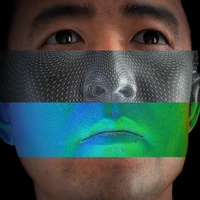

FilterPrompt: Guiding Image Transfer in Diffusion Models
In controllable generation tasks, flexibly manipulating the generated images to attain a desired appearance or structure based on a single input image cue remains a critical and longstanding challenge. Achieving this requires the effective decoupling of key attributes within the input image data, aiming to get representations accurately. Previous research has predominantly concentrated on disentangling image attributes within feature space. However, the complex distribution present in real-world data often makes the application of such decoupling algorithms to other datasets challenging. Moreover, the granularity of control over feature encoding frequently fails to meet specific task requirements. Upon scrutinizing the characteristics of various generative models, we have observed that the input sensitivity and dynamic evolution properties of the diffusion model can be effectively fused with the explicit decomposition operation in pixel space. This integration enables the image processing operations performed in pixel space for a specific feature distribution of the input image, and can achieve the desired control effect in the generated results. Therefore, we propose FilterPrompt, an approach to enhance the model control effect. It can be universally applied to any diffusion model, allowing users to adjust the representation of specific image features in accordance with task requirements, thereby facilitating more precise and controllable generation outcomes. In particular, our designed experiments demonstrate that the FilterPrompt optimizes feature correlation, mitigates content conflicts during the generation process, and enhances the model's control capability.

Knowledge Composition using Task Vectors with Learned Anisotropic Scaling
Pre-trained models produce strong generic representations that can be adapted via fine-tuning. The learned weight difference relative to the pre-trained model, known as a task vector, characterises the direction and stride of fine-tuning. The significance of task vectors is such that simple arithmetic operations on them can be used to combine diverse representations from different domains. This paper builds on these properties of task vectors and aims to answer (1) whether components of task vectors, particularly parameter blocks, exhibit similar characteristics, and (2) how such blocks can be used to enhance knowledge composition and transfer. To this end, we introduce aTLAS, an algorithm that linearly combines parameter blocks with different learned coefficients, resulting in anisotropic scaling at the task vector level. We show that such linear combinations explicitly exploit the low intrinsic dimensionality of pre-trained models, with only a few coefficients being the learnable parameters. Furthermore, composition of parameter blocks leverages the already learned representations, thereby reducing the dependency on large amounts of data. We demonstrate the effectiveness of our method in task arithmetic, few-shot recognition and test-time adaptation, with supervised or unsupervised objectives. In particular, we show that (1) learned anisotropic scaling allows task vectors to be more disentangled, causing less interference in composition; (2) task vector composition excels with scarce or no labeled data and is less prone to domain shift, thus leading to better generalisability; (3) mixing the most informative parameter blocks across different task vectors prior to training can reduce the memory footprint and improve the flexibility of knowledge transfer. Moreover, we show the potential of aTLAS as a PEFT method, particularly with less data, and demonstrate that its scalibility.


Representation Learning: A Review and New Perspectives
The success of machine learning algorithms generally depends on data representation, and we hypothesize that this is because different representations can entangle and hide more or less the different explanatory factors of variation behind the data. Although specific domain knowledge can be used to help design representations, learning with generic priors can also be used, and the quest for AI is motivating the design of more powerful representation-learning algorithms implementing such priors. This paper reviews recent work in the area of unsupervised feature learning and deep learning, covering advances in probabilistic models, auto-encoders, manifold learning, and deep networks. This motivates longer-term unanswered questions about the appropriate objectives for learning good representations, for computing representations (i.e., inference), and the geometrical connections between representation learning, density estimation and manifold learning.
FaceChain-FACT: Face Adapter with Decoupled Training for Identity-preserved Personalization
In the field of human-centric personalized image generation, the adapter-based method obtains the ability to customize and generate portraits by text-to-image training on facial data. This allows for identity-preserved personalization without additional fine-tuning in inference. Although there are improvements in efficiency and fidelity, there is often a significant performance decrease in test following ability, controllability, and diversity of generated faces compared to the base model. In this paper, we analyze that the performance degradation is attributed to the failure to decouple identity features from other attributes during extraction, as well as the failure to decouple the portrait generation training from the overall generation task. To address these issues, we propose the Face Adapter with deCoupled Training (FACT) framework, focusing on both model architecture and training strategy. To decouple identity features from others, we leverage a transformer-based face-export encoder and harness fine-grained identity features. To decouple the portrait generation training, we propose Face Adapting Increment Regularization~(FAIR), which effectively constrains the effect of face adapters on the facial region, preserving the generative ability of the base model. Additionally, we incorporate a face condition drop and shuffle mechanism, combined with curriculum learning, to enhance facial controllability and diversity. As a result, FACT solely learns identity preservation from training data, thereby minimizing the impact on the original text-to-image capabilities of the base model. Extensive experiments show that FACT has both controllability and fidelity in both text-to-image generation and inpainting solutions for portrait generation.
Joint Modeling of Feature, Correspondence, and a Compressed Memory for Video Object Segmentation
Current prevailing Video Object Segmentation (VOS) methods usually perform dense matching between the current and reference frames after extracting their features. One on hand, the decoupled modeling restricts the targets information propagation only at high-level feature space. On the other hand, the pixel-wise matching leads to a lack of holistic understanding of the targets. To overcome these issues, we propose a unified VOS framework, coined as JointFormer, for joint modeling the three elements of feature, correspondence, and a compressed memory. The core design is the Joint Block, utilizing the flexibility of attention to simultaneously extract feature and propagate the targets information to the current tokens and the compressed memory token. This scheme allows to perform extensive information propagation and discriminative feature learning. To incorporate the long-term temporal targets information, we also devise a customized online updating mechanism for the compressed memory token, which can prompt the information flow along the temporal dimension and thus improve the global modeling capability. Under the design, our method achieves a new state-of-art performance on DAVIS 2017 val/test-dev (89.7% and 87.6%) and YouTube-VOS 2018/2019 val (87.0% and 87.0%) benchmarks, outperforming existing works by a large margin.

AnyUp: Universal Feature Upsampling
We introduce AnyUp, a method for feature upsampling that can be applied to any vision feature at any resolution, without encoder-specific training. Existing learning-based upsamplers for features like DINO or CLIP need to be re-trained for every feature extractor and thus do not generalize to different feature types at inference time. In this work, we propose an inference-time feature-agnostic upsampling architecture to alleviate this limitation and improve upsampling quality. In our experiments, AnyUp sets a new state of the art for upsampled features, generalizes to different feature types, and preserves feature semantics while being efficient and easy to apply to a wide range of downstream tasks.

From Flat to Hierarchical: Extracting Sparse Representations with Matching Pursuit
Motivated by the hypothesis that neural network representations encode abstract, interpretable features as linearly accessible, approximately orthogonal directions, sparse autoencoders (SAEs) have become a popular tool in interpretability. However, recent work has demonstrated phenomenology of model representations that lies outside the scope of this hypothesis, showing signatures of hierarchical, nonlinear, and multi-dimensional features. This raises the question: do SAEs represent features that possess structure at odds with their motivating hypothesis? If not, does avoiding this mismatch help identify said features and gain further insights into neural network representations? To answer these questions, we take a construction-based approach and re-contextualize the popular matching pursuits (MP) algorithm from sparse coding to design MP-SAE -- an SAE that unrolls its encoder into a sequence of residual-guided steps, allowing it to capture hierarchical and nonlinearly accessible features. Comparing this architecture with existing SAEs on a mixture of synthetic and natural data settings, we show: (i) hierarchical concepts induce conditionally orthogonal features, which existing SAEs are unable to faithfully capture, and (ii) the nonlinear encoding step of MP-SAE recovers highly meaningful features, helping us unravel shared structure in the seemingly dichotomous representation spaces of different modalities in a vision-language model, hence demonstrating the assumption that useful features are solely linearly accessible is insufficient. We also show that the sequential encoder principle of MP-SAE affords an additional benefit of adaptive sparsity at inference time, which may be of independent interest. Overall, we argue our results provide credence to the idea that interpretability should begin with the phenomenology of representations, with methods emerging from assumptions that fit it.
Rethinking embedding coupling in pre-trained language models
We re-evaluate the standard practice of sharing weights between input and output embeddings in state-of-the-art pre-trained language models. We show that decoupled embeddings provide increased modeling flexibility, allowing us to significantly improve the efficiency of parameter allocation in the input embedding of multilingual models. By reallocating the input embedding parameters in the Transformer layers, we achieve dramatically better performance on standard natural language understanding tasks with the same number of parameters during fine-tuning. We also show that allocating additional capacity to the output embedding provides benefits to the model that persist through the fine-tuning stage even though the output embedding is discarded after pre-training. Our analysis shows that larger output embeddings prevent the model's last layers from overspecializing to the pre-training task and encourage Transformer representations to be more general and more transferable to other tasks and languages. Harnessing these findings, we are able to train models that achieve strong performance on the XTREME benchmark without increasing the number of parameters at the fine-tuning stage.

From Pixels to Tokens: Revisiting Object Hallucinations in Large Vision-Language Models
Hallucinations in large vision-language models (LVLMs) are a significant challenge, i.e., generating objects that are not presented in the visual input, which impairs their reliability. Recent studies often attribute hallucinations to a lack of understanding of visual input, yet ignore a more fundamental issue: the model's inability to effectively extract or decouple visual features. In this paper, we revisit the hallucinations in LVLMs from an architectural perspective, investigating whether the primary cause lies in the visual encoder (feature extraction) or the modal alignment module (feature decoupling). Motivated by our findings on the preliminary investigation, we propose a novel tuning strategy, PATCH, to mitigate hallucinations in LVLMs. This plug-and-play method can be integrated into various LVLMs, utilizing adaptive virtual tokens to extract object features from bounding boxes, thereby addressing hallucinations caused by insufficient decoupling of visual features. PATCH achieves state-of-the-art performance on multiple multi-modal hallucination datasets. We hope this approach provides researchers with deeper insights into the underlying causes of hallucinations in LVLMs, fostering further advancements and innovation in this field.


Contrastive Multiview Coding
Humans view the world through many sensory channels, e.g., the long-wavelength light channel, viewed by the left eye, or the high-frequency vibrations channel, heard by the right ear. Each view is noisy and incomplete, but important factors, such as physics, geometry, and semantics, tend to be shared between all views (e.g., a "dog" can be seen, heard, and felt). We investigate the classic hypothesis that a powerful representation is one that models view-invariant factors. We study this hypothesis under the framework of multiview contrastive learning, where we learn a representation that aims to maximize mutual information between different views of the same scene but is otherwise compact. Our approach scales to any number of views, and is view-agnostic. We analyze key properties of the approach that make it work, finding that the contrastive loss outperforms a popular alternative based on cross-view prediction, and that the more views we learn from, the better the resulting representation captures underlying scene semantics. Our approach achieves state-of-the-art results on image and video unsupervised learning benchmarks. Code is released at: http://github.com/HobbitLong/CMC/.


Architecture Decoupling Is Not All You Need For Unified Multimodal Model
Unified multimodal models for image generation and understanding represent a significant step toward AGI and have attracted widespread attention from researchers. The main challenge of this task lies in the difficulty in establishing an optimal training paradigm due to inherent conflicting targets in understanding and generation tasks. To alleviate these conflicts and pursue higher performance, many researchers adopt varying degrees of model decoupling (e.g., Double image encoders, MOE/MOT architecture, or frozen MLLM). However, excessive model decoupling can lead to the loss of interleave generation ability, undermining the original intent of unified models. In this work, we aim to explore how to mitigate task conflicts without resorting to model decoupling. Firstly, we analyze why decoupling alleviates conflicts by studying the cross-modal attention behavior of models. We observe that model decoupling essentially drives models toward task-specific multimodal interaction patterns, as seen in Qwen-VL and HunyuanImage, and that the more thorough the decoupling, the more consistent the behavior becomes. Motivated by this observation, we propose Attention Interaction Alignment (AIA) loss, which explicitly learns Task-Specific multimodal interaction patterns during training. To demonstrate the generalizability of our AIA loss, we apply it to Emu3 and Janus-Pro during SFT and post-training stage respectively. Without bells and whistles, AIA not only refines cross-modal attention patterns, but also boosts both generation and understanding performance.



Stationary Representations: Optimally Approximating Compatibility and Implications for Improved Model Replacements
Learning compatible representations enables the interchangeable use of semantic features as models are updated over time. This is particularly relevant in search and retrieval systems where it is crucial to avoid reprocessing of the gallery images with the updated model. While recent research has shown promising empirical evidence, there is still a lack of comprehensive theoretical understanding about learning compatible representations. In this paper, we demonstrate that the stationary representations learned by the d-Simplex fixed classifier optimally approximate compatibility representation according to the two inequality constraints of its formal definition. This not only establishes a solid foundation for future works in this line of research but also presents implications that can be exploited in practical learning scenarios. An exemplary application is the now-standard practice of downloading and fine-tuning new pre-trained models. Specifically, we show the strengths and critical issues of stationary representations in the case in which a model undergoing sequential fine-tuning is asynchronously replaced by downloading a better-performing model pre-trained elsewhere. Such a representation enables seamless delivery of retrieval service (i.e., no reprocessing of gallery images) and offers improved performance without operational disruptions during model replacement. Code available at: https://github.com/miccunifi/iamcl2r.
ResNeSt: Split-Attention Networks
It is well known that featuremap attention and multi-path representation are important for visual recognition. In this paper, we present a modularized architecture, which applies the channel-wise attention on different network branches to leverage their success in capturing cross-feature interactions and learning diverse representations. Our design results in a simple and unified computation block, which can be parameterized using only a few variables. Our model, named ResNeSt, outperforms EfficientNet in accuracy and latency trade-off on image classification. In addition, ResNeSt has achieved superior transfer learning results on several public benchmarks serving as the backbone, and has been adopted by the winning entries of COCO-LVIS challenge. The source code for complete system and pretrained models are publicly available.

Diversifying Joint Vision-Language Tokenization Learning
Building joint representations across images and text is an essential step for tasks such as Visual Question Answering and Video Question Answering. In this work, we find that the representations must not only jointly capture features from both modalities but should also be diverse for better generalization performance. To this end, we propose joint vision-language representation learning by diversifying the tokenization learning process, enabling tokens that are sufficiently disentangled from each other to be learned from both modalities. We observe that our approach outperforms the baseline models in a majority of settings and is competitive with state-of-the-art methods.

JoyHallo: Digital human model for Mandarin
In audio-driven video generation, creating Mandarin videos presents significant challenges. Collecting comprehensive Mandarin datasets is difficult, and the complex lip movements in Mandarin further complicate model training compared to English. In this study, we collected 29 hours of Mandarin speech video from JD Health International Inc. employees, resulting in the jdh-Hallo dataset. This dataset includes a diverse range of ages and speaking styles, encompassing both conversational and specialized medical topics. To adapt the JoyHallo model for Mandarin, we employed the Chinese wav2vec2 model for audio feature embedding. A semi-decoupled structure is proposed to capture inter-feature relationships among lip, expression, and pose features. This integration not only improves information utilization efficiency but also accelerates inference speed by 14.3%. Notably, JoyHallo maintains its strong ability to generate English videos, demonstrating excellent cross-language generation capabilities. The code and models are available at https://jdh-algo.github.io/JoyHallo.

Rethinking Multi-view Representation Learning via Distilled Disentangling
Multi-view representation learning aims to derive robust representations that are both view-consistent and view-specific from diverse data sources. This paper presents an in-depth analysis of existing approaches in this domain, highlighting a commonly overlooked aspect: the redundancy between view-consistent and view-specific representations. To this end, we propose an innovative framework for multi-view representation learning, which incorporates a technique we term 'distilled disentangling'. Our method introduces the concept of masked cross-view prediction, enabling the extraction of compact, high-quality view-consistent representations from various sources without incurring extra computational overhead. Additionally, we develop a distilled disentangling module that efficiently filters out consistency-related information from multi-view representations, resulting in purer view-specific representations. This approach significantly reduces redundancy between view-consistent and view-specific representations, enhancing the overall efficiency of the learning process. Our empirical evaluations reveal that higher mask ratios substantially improve the quality of view-consistent representations. Moreover, we find that reducing the dimensionality of view-consistent representations relative to that of view-specific representations further refines the quality of the combined representations. Our code is accessible at: https://github.com/Guanzhou-Ke/MRDD.

ZipIt! Merging Models from Different Tasks without Training
Typical deep visual recognition models are capable of performing the one task they were trained on. In this paper, we tackle the extremely difficult problem of combining completely distinct models with different initializations, each solving a separate task, into one multi-task model without any additional training. Prior work in model merging permutes one model to the space of the other then adds them together. While this works for models trained on the same task, we find that this fails to account for the differences in models trained on disjoint tasks. Thus, we introduce "ZipIt!", a general method for merging two arbitrary models of the same architecture that incorporates two simple strategies. First, in order to account for features that aren't shared between models, we expand the model merging problem to additionally allow for merging features within each model by defining a general "zip" operation. Second, we add support for partially zipping the models up until a specified layer, naturally creating a multi-head model. We find that these two changes combined account for a staggering 20-60% improvement over prior work, making the merging of models trained on disjoint tasks feasible.
Do We Really Need Specialization? Evaluating Generalist Text Embeddings for Zero-Shot Recommendation and Search
Pre-trained language models (PLMs) are widely used to derive semantic representations from item metadata in recommendation and search. In sequential recommendation, PLMs enhance ID-based embeddings through textual metadata, while in product search, they align item characteristics with user intent. Recent studies suggest task and domain-specific fine-tuning are needed to improve representational power. This paper challenges this assumption, showing that Generalist Text Embedding Models (GTEs), pre-trained on large-scale corpora, can guarantee strong zero-shot performance without specialized adaptation. Our experiments demonstrate that GTEs outperform traditional and fine-tuned models in both sequential recommendation and product search. We attribute this to a superior representational power, as they distribute features more evenly across the embedding space. Finally, we show that compressing embedding dimensions by focusing on the most informative directions (e.g., via PCA) effectively reduces noise and improves the performance of specialized models. To ensure reproducibility, we provide our repository at https://split.to/gte4ps.
Leveraging Multimodal Features and Item-level User Feedback for Bundle Construction
Automatic bundle construction is a crucial prerequisite step in various bundle-aware online services. Previous approaches are mostly designed to model the bundling strategy of existing bundles. However, it is hard to acquire large-scale well-curated bundle dataset, especially for those platforms that have not offered bundle services before. Even for platforms with mature bundle services, there are still many items that are included in few or even zero bundles, which give rise to sparsity and cold-start challenges in the bundle construction models. To tackle these issues, we target at leveraging multimodal features, item-level user feedback signals, and the bundle composition information, to achieve a comprehensive formulation of bundle construction. Nevertheless, such formulation poses two new technical challenges: 1) how to learn effective representations by optimally unifying multiple features, and 2) how to address the problems of modality missing, noise, and sparsity problems induced by the incomplete query bundles. In this work, to address these technical challenges, we propose a Contrastive Learning-enhanced Hierarchical Encoder method (CLHE). Specifically, we use self-attention modules to combine the multimodal and multi-item features, and then leverage both item- and bundle-level contrastive learning to enhance the representation learning, thus to counter the modality missing, noise, and sparsity problems. Extensive experiments on four datasets in two application domains demonstrate that our method outperforms a list of SOTA methods. The code and dataset are available at https://github.com/Xiaohao-Liu/CLHE.


Decoupling Representation and Classifier for Long-Tailed Recognition
The long-tail distribution of the visual world poses great challenges for deep learning based classification models on how to handle the class imbalance problem. Existing solutions usually involve class-balancing strategies, e.g., by loss re-weighting, data re-sampling, or transfer learning from head- to tail-classes, but most of them adhere to the scheme of jointly learning representations and classifiers. In this work, we decouple the learning procedure into representation learning and classification, and systematically explore how different balancing strategies affect them for long-tailed recognition. The findings are surprising: (1) data imbalance might not be an issue in learning high-quality representations; (2) with representations learned with the simplest instance-balanced (natural) sampling, it is also possible to achieve strong long-tailed recognition ability by adjusting only the classifier. We conduct extensive experiments and set new state-of-the-art performance on common long-tailed benchmarks like ImageNet-LT, Places-LT and iNaturalist, showing that it is possible to outperform carefully designed losses, sampling strategies, even complex modules with memory, by using a straightforward approach that decouples representation and classification. Our code is available at https://github.com/facebookresearch/classifier-balancing.


Conditional Cross Attention Network for Multi-Space Embedding without Entanglement in Only a SINGLE Network
Many studies in vision tasks have aimed to create effective embedding spaces for single-label object prediction within an image. However, in reality, most objects possess multiple specific attributes, such as shape, color, and length, with each attribute composed of various classes. To apply models in real-world scenarios, it is essential to be able to distinguish between the granular components of an object. Conventional approaches to embedding multiple specific attributes into a single network often result in entanglement, where fine-grained features of each attribute cannot be identified separately. To address this problem, we propose a Conditional Cross-Attention Network that induces disentangled multi-space embeddings for various specific attributes with only a single backbone. Firstly, we employ a cross-attention mechanism to fuse and switch the information of conditions (specific attributes), and we demonstrate its effectiveness through a diverse visualization example. Secondly, we leverage the vision transformer for the first time to a fine-grained image retrieval task and present a simple yet effective framework compared to existing methods. Unlike previous studies where performance varied depending on the benchmark dataset, our proposed method achieved consistent state-of-the-art performance on the FashionAI, DARN, DeepFashion, and Zappos50K benchmark datasets.
Explaining Caption-Image Interactions in CLIP models with Second-Order Attributions
Dual encoder architectures like CLIP models map two types of inputs into a shared embedding space and predict similarities between them. Despite their success, it is, however, not understood how these models compare their two inputs. Common first-order feature-attribution methods can only provide limited insights into dual-encoders since their predictions depend on feature-interactions rather than on individual features. In this paper, we first derive a second-order method enabling the attribution of predictions by any differentiable dual encoder onto feature-interactions between its inputs. Second, we apply our method to CLIP models and show that they learn fine-grained correspondences between parts of captions and regions in images. They match objects across input modes also account for mismatches. This visual-linguistic grounding ability, however, varies heavily between object classes and exhibits pronounced out-of-domain effects. We can identify individual errors as well as systematic failure categories including object coverage, unusual scenes and correlated contexts.

Backward-Compatible Aligned Representations via an Orthogonal Transformation Layer
Visual retrieval systems face significant challenges when updating models with improved representations due to misalignment between the old and new representations. The costly and resource-intensive backfilling process involves recalculating feature vectors for images in the gallery set whenever a new model is introduced. To address this, prior research has explored backward-compatible training methods that enable direct comparisons between new and old representations without backfilling. Despite these advancements, achieving a balance between backward compatibility and the performance of independently trained models remains an open problem. In this paper, we address it by expanding the representation space with additional dimensions and learning an orthogonal transformation to achieve compatibility with old models and, at the same time, integrate new information. This transformation preserves the original feature space's geometry, ensuring that our model aligns with previous versions while also learning new data. Our Orthogonal Compatible Aligned (OCA) approach eliminates the need for re-indexing during model updates and ensures that features can be compared directly across different model updates without additional mapping functions. Experimental results on CIFAR-100 and ImageNet-1k demonstrate that our method not only maintains compatibility with previous models but also achieves state-of-the-art accuracy, outperforming several existing methods.
ShapeCodes: Self-Supervised Feature Learning by Lifting Views to Viewgrids
We introduce an unsupervised feature learning approach that embeds 3D shape information into a single-view image representation. The main idea is a self-supervised training objective that, given only a single 2D image, requires all unseen views of the object to be predictable from learned features. We implement this idea as an encoder-decoder convolutional neural network. The network maps an input image of an unknown category and unknown viewpoint to a latent space, from which a deconvolutional decoder can best "lift" the image to its complete viewgrid showing the object from all viewing angles. Our class-agnostic training procedure encourages the representation to capture fundamental shape primitives and semantic regularities in a data-driven manner---without manual semantic labels. Our results on two widely-used shape datasets show 1) our approach successfully learns to perform "mental rotation" even for objects unseen during training, and 2) the learned latent space is a powerful representation for object recognition, outperforming several existing unsupervised feature learning methods.
On Mutual Information Maximization for Representation Learning
Many recent methods for unsupervised or self-supervised representation learning train feature extractors by maximizing an estimate of the mutual information (MI) between different views of the data. This comes with several immediate problems: For example, MI is notoriously hard to estimate, and using it as an objective for representation learning may lead to highly entangled representations due to its invariance under arbitrary invertible transformations. Nevertheless, these methods have been repeatedly shown to excel in practice. In this paper we argue, and provide empirical evidence, that the success of these methods cannot be attributed to the properties of MI alone, and that they strongly depend on the inductive bias in both the choice of feature extractor architectures and the parametrization of the employed MI estimators. Finally, we establish a connection to deep metric learning and argue that this interpretation may be a plausible explanation for the success of the recently introduced methods.

Hybrid-Attention based Decoupled Metric Learning for Zero-Shot Image Retrieval
In zero-shot image retrieval (ZSIR) task, embedding learning becomes more attractive, however, many methods follow the traditional metric learning idea and omit the problems behind zero-shot settings. In this paper, we first emphasize the importance of learning visual discriminative metric and preventing the partial/selective learning behavior of learner in ZSIR, and then propose the Decoupled Metric Learning (DeML) framework to achieve these individually. Instead of coarsely optimizing an unified metric, we decouple it into multiple attention-specific parts so as to recurrently induce the discrimination and explicitly enhance the generalization. And they are mainly achieved by our object-attention module based on random walk graph propagation and the channel-attention module based on the adversary constraint, respectively. We demonstrate the necessity of addressing the vital problems in ZSIR on the popular benchmarks, outperforming the state-of-theart methods by a significant margin. Code is available at http://www.bhchen.cn

Escaping Plato's Cave: Towards the Alignment of 3D and Text Latent Spaces
Recent works have shown that, when trained at scale, uni-modal 2D vision and text encoders converge to learned features that share remarkable structural properties, despite arising from different representations. However, the role of 3D encoders with respect to other modalities remains unexplored. Furthermore, existing 3D foundation models that leverage large datasets are typically trained with explicit alignment objectives with respect to frozen encoders from other representations. In this work, we investigate the possibility of a posteriori alignment of representations obtained from uni-modal 3D encoders compared to text-based feature spaces. We show that naive post-training feature alignment of uni-modal text and 3D encoders results in limited performance. We then focus on extracting subspaces of the corresponding feature spaces and discover that by projecting learned representations onto well-chosen lower-dimensional subspaces the quality of alignment becomes significantly higher, leading to improved accuracy on matching and retrieval tasks. Our analysis further sheds light on the nature of these shared subspaces, which roughly separate between semantic and geometric data representations. Overall, ours is the first work that helps to establish a baseline for post-training alignment of 3D uni-modal and text feature spaces, and helps to highlight both the shared and unique properties of 3D data compared to other representations.




TaskExpert: Dynamically Assembling Multi-Task Representations with Memorial Mixture-of-Experts
Learning discriminative task-specific features simultaneously for multiple distinct tasks is a fundamental problem in multi-task learning. Recent state-of-the-art models consider directly decoding task-specific features from one shared task-generic feature (e.g., feature from a backbone layer), and utilize carefully designed decoders to produce multi-task features. However, as the input feature is fully shared and each task decoder also shares decoding parameters for different input samples, it leads to a static feature decoding process, producing less discriminative task-specific representations. To tackle this limitation, we propose TaskExpert, a novel multi-task mixture-of-experts model that enables learning multiple representative task-generic feature spaces and decoding task-specific features in a dynamic manner. Specifically, TaskExpert introduces a set of expert networks to decompose the backbone feature into several representative task-generic features. Then, the task-specific features are decoded by using dynamic task-specific gating networks operating on the decomposed task-generic features. Furthermore, to establish long-range modeling of the task-specific representations from different layers of TaskExpert, we design a multi-task feature memory that updates at each layer and acts as an additional feature expert for dynamic task-specific feature decoding. Extensive experiments demonstrate that our TaskExpert clearly outperforms previous best-performing methods on all 9 metrics of two competitive multi-task learning benchmarks for visual scene understanding (i.e., PASCAL-Context and NYUD-v2). Codes and models will be made publicly available at https://github.com/prismformore/Multi-Task-Transformer
Going Beyond Neural Network Feature Similarity: The Network Feature Complexity and Its Interpretation Using Category Theory
The behavior of neural networks still remains opaque, and a recently widely noted phenomenon is that networks often achieve similar performance when initialized with different random parameters. This phenomenon has attracted significant attention in measuring the similarity between features learned by distinct networks. However, feature similarity could be vague in describing the same feature since equivalent features hardly exist. In this paper, we expand the concept of equivalent feature and provide the definition of what we call functionally equivalent features. These features produce equivalent output under certain transformations. Using this definition, we aim to derive a more intrinsic metric for the so-called feature complexity regarding the redundancy of features learned by a neural network at each layer. We offer a formal interpretation of our approach through the lens of category theory, a well-developed area in mathematics. To quantify the feature complexity, we further propose an efficient algorithm named Iterative Feature Merging. Our experimental results validate our ideas and theories from various perspectives. We empirically demonstrate that the functionally equivalence widely exists among different features learned by the same neural network and we could reduce the number of parameters of the network without affecting the performance.The IFM shows great potential as a data-agnostic model prune method. We have also drawn several interesting empirical findings regarding the defined feature complexity.
Learning to Compress: Local Rank and Information Compression in Deep Neural Networks
Deep neural networks tend to exhibit a bias toward low-rank solutions during training, implicitly learning low-dimensional feature representations. This paper investigates how deep multilayer perceptrons (MLPs) encode these feature manifolds and connects this behavior to the Information Bottleneck (IB) theory. We introduce the concept of local rank as a measure of feature manifold dimensionality and demonstrate, both theoretically and empirically, that this rank decreases during the final phase of training. We argue that networks that reduce the rank of their learned representations also compress mutual information between inputs and intermediate layers. This work bridges the gap between feature manifold rank and information compression, offering new insights into the interplay between information bottlenecks and representation learning.
Hybrid Distillation: Connecting Masked Autoencoders with Contrastive Learners
Representation learning has been evolving from traditional supervised training to Contrastive Learning (CL) and Masked Image Modeling (MIM). Previous works have demonstrated their pros and cons in specific scenarios, i.e., CL and supervised pre-training excel at capturing longer-range global patterns and enabling better feature discrimination, while MIM can introduce more local and diverse attention across all transformer layers. In this paper, we explore how to obtain a model that combines their strengths. We start by examining previous feature distillation and mask feature reconstruction methods and identify their limitations. We find that their increasing diversity mainly derives from the asymmetric designs, but these designs may in turn compromise the discrimination ability. In order to better obtain both discrimination and diversity, we propose a simple but effective Hybrid Distillation strategy, which utilizes both the supervised/CL teacher and the MIM teacher to jointly guide the student model. Hybrid Distill imitates the token relations of the MIM teacher to alleviate attention collapse, as well as distills the feature maps of the supervised/CL teacher to enable discrimination. Furthermore, a progressive redundant token masking strategy is also utilized to reduce the distilling costs and avoid falling into local optima. Experiment results prove that Hybrid Distill can achieve superior performance on different benchmarks.
AttrSeg: Open-Vocabulary Semantic Segmentation via Attribute Decomposition-Aggregation
Open-vocabulary semantic segmentation is a challenging task that requires segmenting novel object categories at inference time. Recent studies have explored vision-language pre-training to handle this task, but suffer from unrealistic assumptions in practical scenarios, i.e., low-quality textual category names. For example, this paradigm assumes that new textual categories will be accurately and completely provided, and exist in lexicons during pre-training. However, exceptions often happen when encountering ambiguity for brief or incomplete names, new words that are not present in the pre-trained lexicons, and difficult-to-describe categories for users. To address these issues, this work proposes a novel attribute decomposition-aggregation framework, AttrSeg, inspired by human cognition in understanding new concepts. Specifically, in the decomposition stage, we decouple class names into diverse attribute descriptions to complement semantic contexts from multiple perspectives. Two attribute construction strategies are designed: using large language models for common categories, and involving manually labeling for human-invented categories. In the aggregation stage, we group diverse attributes into an integrated global description, to form a discriminative classifier that distinguishes the target object from others. One hierarchical aggregation architecture is further proposed to achieve multi-level aggregations, leveraging the meticulously designed clustering module. The final results are obtained by computing the similarity between aggregated attributes and images embeddings. To evaluate the effectiveness, we annotate three types of datasets with attribute descriptions, and conduct extensive experiments and ablation studies. The results show the superior performance of attribute decomposition-aggregation.

RelationNet++: Bridging Visual Representations for Object Detection via Transformer Decoder
Existing object detection frameworks are usually built on a single format of object/part representation, i.e., anchor/proposal rectangle boxes in RetinaNet and Faster R-CNN, center points in FCOS and RepPoints, and corner points in CornerNet. While these different representations usually drive the frameworks to perform well in different aspects, e.g., better classification or finer localization, it is in general difficult to combine these representations in a single framework to make good use of each strength, due to the heterogeneous or non-grid feature extraction by different representations. This paper presents an attention-based decoder module similar as that in Transformer~vaswani2017attention to bridge other representations into a typical object detector built on a single representation format, in an end-to-end fashion. The other representations act as a set of key instances to strengthen the main query representation features in the vanilla detectors. Novel techniques are proposed towards efficient computation of the decoder module, including a key sampling approach and a shared location embedding approach. The proposed module is named bridging visual representations (BVR). It can perform in-place and we demonstrate its broad effectiveness in bridging other representations into prevalent object detection frameworks, including RetinaNet, Faster R-CNN, FCOS and ATSS, where about 1.5sim3.0 AP improvements are achieved. In particular, we improve a state-of-the-art framework with a strong backbone by about 2.0 AP, reaching 52.7 AP on COCO test-dev. The resulting network is named RelationNet++. The code will be available at https://github.com/microsoft/RelationNet2.

Deep Feature Factorization For Concept Discovery
We propose Deep Feature Factorization (DFF), a method capable of localizing similar semantic concepts within an image or a set of images. We use DFF to gain insight into a deep convolutional neural network's learned features, where we detect hierarchical cluster structures in feature space. This is visualized as heat maps, which highlight semantically matching regions across a set of images, revealing what the network `perceives' as similar. DFF can also be used to perform co-segmentation and co-localization, and we report state-of-the-art results on these tasks.
node2vec: Scalable Feature Learning for Networks
Prediction tasks over nodes and edges in networks require careful effort in engineering features used by learning algorithms. Recent research in the broader field of representation learning has led to significant progress in automating prediction by learning the features themselves. However, present feature learning approaches are not expressive enough to capture the diversity of connectivity patterns observed in networks. Here we propose node2vec, an algorithmic framework for learning continuous feature representations for nodes in networks. In node2vec, we learn a mapping of nodes to a low-dimensional space of features that maximizes the likelihood of preserving network neighborhoods of nodes. We define a flexible notion of a node's network neighborhood and design a biased random walk procedure, which efficiently explores diverse neighborhoods. Our algorithm generalizes prior work which is based on rigid notions of network neighborhoods, and we argue that the added flexibility in exploring neighborhoods is the key to learning richer representations. We demonstrate the efficacy of node2vec over existing state-of-the-art techniques on multi-label classification and link prediction in several real-world networks from diverse domains. Taken together, our work represents a new way for efficiently learning state-of-the-art task-independent representations in complex networks.
CoDiEmb: A Collaborative yet Distinct Framework for Unified Representation Learning in Information Retrieval and Semantic Textual Similarity
Learning unified text embeddings that excel across diverse downstream tasks is a central goal in representation learning, yet negative transfer remains a persistent obstacle. This challenge is particularly pronounced when jointly training a single encoder for Information Retrieval (IR) and Semantic Textual Similarity (STS), two essential but fundamentally disparate tasks for which naive co-training typically yields steep performance trade-offs. We argue that resolving this conflict requires systematically decoupling task-specific learning signals throughout the training pipeline. To this end, we introduce CoDiEmb, a unified framework that reconciles the divergent requirements of IR and STS in a collaborative yet distinct manner. CoDiEmb integrates three key innovations for effective joint optimization: (1) Task-specialized objectives paired with a dynamic sampler that forms single-task batches and balances per-task updates, thereby preventing gradient interference. For IR, we employ a contrastive loss with multiple positives and hard negatives, augmented by cross-device sampling. For STS, we adopt order-aware objectives that directly optimize correlation and ranking consistency. (2) A delta-guided model fusion strategy that computes fine-grained merging weights for checkpoints by analyzing each parameter's deviation from its pre-trained initialization, proving more effective than traditional Model Soups. (3) An efficient, single-stage training pipeline that is simple to implement and converges stably. Extensive experiments on 15 standard IR and STS benchmarks across three base encoders validate CoDiEmb. Our results and analysis demonstrate that the framework not only mitigates cross-task trade-offs but also measurably improves the geometric properties of the embedding space.

Diffusion Hyperfeatures: Searching Through Time and Space for Semantic Correspondence
Diffusion models have been shown to be capable of generating high-quality images, suggesting that they could contain meaningful internal representations. Unfortunately, the feature maps that encode a diffusion model's internal information are spread not only over layers of the network, but also over diffusion timesteps, making it challenging to extract useful descriptors. We propose Diffusion Hyperfeatures, a framework for consolidating multi-scale and multi-timestep feature maps into per-pixel feature descriptors that can be used for downstream tasks. These descriptors can be extracted for both synthetic and real images using the generation and inversion processes. We evaluate the utility of our Diffusion Hyperfeatures on the task of semantic keypoint correspondence: our method achieves superior performance on the SPair-71k real image benchmark. We also demonstrate that our method is flexible and transferable: our feature aggregation network trained on the inversion features of real image pairs can be used on the generation features of synthetic image pairs with unseen objects and compositions. Our code is available at https://diffusion-hyperfeatures.github.io.


Enhancing Unsupervised Video Representation Learning by Decoupling the Scene and the Motion
One significant factor we expect the video representation learning to capture, especially in contrast with the image representation learning, is the object motion. However, we found that in the current mainstream video datasets, some action categories are highly related with the scene where the action happens, making the model tend to degrade to a solution where only the scene information is encoded. For example, a trained model may predict a video as playing football simply because it sees the field, neglecting that the subject is dancing as a cheerleader on the field. This is against our original intention towards the video representation learning and may bring scene bias on different dataset that can not be ignored. In order to tackle this problem, we propose to decouple the scene and the motion (DSM) with two simple operations, so that the model attention towards the motion information is better paid. Specifically, we construct a positive clip and a negative clip for each video. Compared to the original video, the positive/negative is motion-untouched/broken but scene-broken/untouched by Spatial Local Disturbance and Temporal Local Disturbance. Our objective is to pull the positive closer while pushing the negative farther to the original clip in the latent space. In this way, the impact of the scene is weakened while the temporal sensitivity of the network is further enhanced. We conduct experiments on two tasks with various backbones and different pre-training datasets, and find that our method surpass the SOTA methods with a remarkable 8.1% and 8.8% improvement towards action recognition task on the UCF101 and HMDB51 datasets respectively using the same backbone.

Unsupervised Representation Learning by Predicting Image Rotations
Over the last years, deep convolutional neural networks (ConvNets) have transformed the field of computer vision thanks to their unparalleled capacity to learn high level semantic image features. However, in order to successfully learn those features, they usually require massive amounts of manually labeled data, which is both expensive and impractical to scale. Therefore, unsupervised semantic feature learning, i.e., learning without requiring manual annotation effort, is of crucial importance in order to successfully harvest the vast amount of visual data that are available today. In our work we propose to learn image features by training ConvNets to recognize the 2d rotation that is applied to the image that it gets as input. We demonstrate both qualitatively and quantitatively that this apparently simple task actually provides a very powerful supervisory signal for semantic feature learning. We exhaustively evaluate our method in various unsupervised feature learning benchmarks and we exhibit in all of them state-of-the-art performance. Specifically, our results on those benchmarks demonstrate dramatic improvements w.r.t. prior state-of-the-art approaches in unsupervised representation learning and thus significantly close the gap with supervised feature learning. For instance, in PASCAL VOC 2007 detection task our unsupervised pre-trained AlexNet model achieves the state-of-the-art (among unsupervised methods) mAP of 54.4% that is only 2.4 points lower from the supervised case. We get similarly striking results when we transfer our unsupervised learned features on various other tasks, such as ImageNet classification, PASCAL classification, PASCAL segmentation, and CIFAR-10 classification. The code and models of our paper will be published on: https://github.com/gidariss/FeatureLearningRotNet .

FALCON: Fast Visual Concept Learning by Integrating Images, Linguistic descriptions, and Conceptual Relations
We present a meta-learning framework for learning new visual concepts quickly, from just one or a few examples, guided by multiple naturally occurring data streams: simultaneously looking at images, reading sentences that describe the objects in the scene, and interpreting supplemental sentences that relate the novel concept with other concepts. The learned concepts support downstream applications, such as answering questions by reasoning about unseen images. Our model, namely FALCON, represents individual visual concepts, such as colors and shapes, as axis-aligned boxes in a high-dimensional space (the "box embedding space"). Given an input image and its paired sentence, our model first resolves the referential expression in the sentence and associates the novel concept with particular objects in the scene. Next, our model interprets supplemental sentences to relate the novel concept with other known concepts, such as "X has property Y" or "X is a kind of Y". Finally, it infers an optimal box embedding for the novel concept that jointly 1) maximizes the likelihood of the observed instances in the image, and 2) satisfies the relationships between the novel concepts and the known ones. We demonstrate the effectiveness of our model on both synthetic and real-world datasets.

CNN Features off-the-shelf: an Astounding Baseline for Recognition
Recent results indicate that the generic descriptors extracted from the convolutional neural networks are very powerful. This paper adds to the mounting evidence that this is indeed the case. We report on a series of experiments conducted for different recognition tasks using the publicly available code and model of the \overfeat network which was trained to perform object classification on ILSVRC13. We use features extracted from the \overfeat network as a generic image representation to tackle the diverse range of recognition tasks of object image classification, scene recognition, fine grained recognition, attribute detection and image retrieval applied to a diverse set of datasets. We selected these tasks and datasets as they gradually move further away from the original task and data the \overfeat network was trained to solve. Astonishingly, we report consistent superior results compared to the highly tuned state-of-the-art systems in all the visual classification tasks on various datasets. For instance retrieval it consistently outperforms low memory footprint methods except for sculptures dataset. The results are achieved using a linear SVM classifier (or L2 distance in case of retrieval) applied to a feature representation of size 4096 extracted from a layer in the net. The representations are further modified using simple augmentation techniques e.g. jittering. The results strongly suggest that features obtained from deep learning with convolutional nets should be the primary candidate in most visual recognition tasks.
Disentangling Dense Embeddings with Sparse Autoencoders
Sparse autoencoders (SAEs) have shown promise in extracting interpretable features from complex neural networks. We present one of the first applications of SAEs to dense text embeddings from large language models, demonstrating their effectiveness in disentangling semantic concepts. By training SAEs on embeddings of over 420,000 scientific paper abstracts from computer science and astronomy, we show that the resulting sparse representations maintain semantic fidelity while offering interpretability. We analyse these learned features, exploring their behaviour across different model capacities and introducing a novel method for identifying ``feature families'' that represent related concepts at varying levels of abstraction. To demonstrate the practical utility of our approach, we show how these interpretable features can be used to precisely steer semantic search, allowing for fine-grained control over query semantics. This work bridges the gap between the semantic richness of dense embeddings and the interpretability of sparse representations. We open source our embeddings, trained sparse autoencoders, and interpreted features, as well as a web app for exploring them.

V^2L: Leveraging Vision and Vision-language Models into Large-scale Product Retrieval
Product retrieval is of great importance in the ecommerce domain. This paper introduces our 1st-place solution in eBay eProduct Visual Search Challenge (FGVC9), which is featured for an ensemble of about 20 models from vision models and vision-language models. While model ensemble is common, we show that combining the vision models and vision-language models brings particular benefits from their complementarity and is a key factor to our superiority. Specifically, for the vision models, we use a two-stage training pipeline which first learns from the coarse labels provided in the training set and then conducts fine-grained self-supervised training, yielding a coarse-to-fine metric learning manner. For the vision-language models, we use the textual description of the training image as the supervision signals for fine-tuning the image-encoder (feature extractor). With these designs, our solution achieves 0.7623 MAR@10, ranking the first place among all the competitors. The code is available at: https://github.com/WangWenhao0716/V2L{V^2L}.

Uni4D-LLM: A Unified SpatioTemporal-Aware VLM for 4D Understanding and Generation
Vision-language models (VLMs) have demonstrated strong performance in 2D scene understanding and generation, but extending this unification to the physical world remains an open challenge. Existing 3D and 4D approaches typically embed scene geometry into autoregressive model for semantic understanding and diffusion model for content generation. This paradigm gap prevents a single model from jointly handling both tasks, especially in dynamic 4D settings where spatiotemporal modeling is critical. We propose Uni4D-LLM, the first unified VLM framework with spatiotemporal awareness for 4D scene understanding and generation. Our design is guided by two key insights: 1) Unification requires a shared representation. We extract semantic features for understanding and noisy-injected appearance features for generation, incorporate 4D geometric cues, and fuse them into a spatiotemporal-aware visual representation through adaptive cross-attention. 2) Unification requires a shared architecture. Both autoregression and diffusion are built on Transformer backbones, and this enables integration into a single LLM with task-specific heads. By aligning visual and linguistic representations, our Uni4D-LLM produces predictions for both understanding and generation within one Transformer-based framework. We further apply instruction fine-tuning on diverse 4D vision-language datasets to improve generalization across tasks. Extensive experiments on multiple benchmarks demonstrate that Uni4D-LLM achieves competitive or superior results compared to state-of-the-art models and offers the first true unification of 4D scene understanding and generation.
A Characterization Theorem for Equivariant Networks with Point-wise Activations
Equivariant neural networks have shown improved performance, expressiveness and sample complexity on symmetrical domains. But for some specific symmetries, representations, and choice of coordinates, the most common point-wise activations, such as ReLU, are not equivariant, hence they cannot be employed in the design of equivariant neural networks. The theorem we present in this paper describes all possible combinations of finite-dimensional representations, choice of coordinates and point-wise activations to obtain an exactly equivariant layer, generalizing and strengthening existing characterizations. Notable cases of practical relevance are discussed as corollaries. Indeed, we prove that rotation-equivariant networks can only be invariant, as it happens for any network which is equivariant with respect to connected compact groups. Then, we discuss implications of our findings when applied to important instances of exactly equivariant networks. First, we completely characterize permutation equivariant networks such as Invariant Graph Networks with point-wise nonlinearities and their geometric counterparts, highlighting a plethora of models whose expressive power and performance are still unknown. Second, we show that feature spaces of disentangled steerable convolutional neural networks are trivial representations.

Architectural Co-Design for Zero-Shot Anomaly Detection: Decoupling Representation and Dynamically Fusing Features in CLIP
Pre-trained Vision-Language Models (VLMs) face a significant adaptation gap when applied to Zero-Shot Anomaly Detection (ZSAD), stemming from their lack of local inductive biases for dense prediction and their reliance on inflexible feature fusion paradigms. We address these limitations through an Architectural Co-Design framework that jointly refines feature representation and cross-modal fusion. Our method proposes a parameter-efficient Convolutional Low-Rank Adaptation (Conv-LoRA) adapter to inject local inductive biases for fine-grained representation, and introduces a Dynamic Fusion Gateway (DFG) that leverages visual context to adaptively modulate text prompts, enabling a powerful bidirectional fusion. Extensive experiments on diverse industrial and medical benchmarks demonstrate superior accuracy and robustness, validating that this synergistic co-design is critical for robustly adapting foundation models to dense perception tasks.
Image Reconstruction as a Tool for Feature Analysis
Vision encoders are increasingly used in modern applications, from vision-only models to multimodal systems such as vision-language models. Despite their remarkable success, it remains unclear how these architectures represent features internally. Here, we propose a novel approach for interpreting vision features via image reconstruction. We compare two related model families, SigLIP and SigLIP2, which differ only in their training objective, and show that encoders pre-trained on image-based tasks retain significantly more image information than those trained on non-image tasks such as contrastive learning. We further apply our method to a range of vision encoders, ranking them by the informativeness of their feature representations. Finally, we demonstrate that manipulating the feature space yields predictable changes in reconstructed images, revealing that orthogonal rotations (rather than spatial transformations) control color encoding. Our approach can be applied to any vision encoder, shedding light on the inner structure of its feature space. The code and model weights to reproduce the experiments are available in GitHub.


Unifying Flow, Stereo and Depth Estimation
We present a unified formulation and model for three motion and 3D perception tasks: optical flow, rectified stereo matching and unrectified stereo depth estimation from posed images. Unlike previous specialized architectures for each specific task, we formulate all three tasks as a unified dense correspondence matching problem, which can be solved with a single model by directly comparing feature similarities. Such a formulation calls for discriminative feature representations, which we achieve using a Transformer, in particular the cross-attention mechanism. We demonstrate that cross-attention enables integration of knowledge from another image via cross-view interactions, which greatly improves the quality of the extracted features. Our unified model naturally enables cross-task transfer since the model architecture and parameters are shared across tasks. We outperform RAFT with our unified model on the challenging Sintel dataset, and our final model that uses a few additional task-specific refinement steps outperforms or compares favorably to recent state-of-the-art methods on 10 popular flow, stereo and depth datasets, while being simpler and more efficient in terms of model design and inference speed.

Optimizing Feature Set for Click-Through Rate Prediction
Click-through prediction (CTR) models transform features into latent vectors and enumerate possible feature interactions to improve performance based on the input feature set. Therefore, when selecting an optimal feature set, we should consider the influence of both feature and its interaction. However, most previous works focus on either feature field selection or only select feature interaction based on the fixed feature set to produce the feature set. The former restricts search space to the feature field, which is too coarse to determine subtle features. They also do not filter useless feature interactions, leading to higher computation costs and degraded model performance. The latter identifies useful feature interaction from all available features, resulting in many redundant features in the feature set. In this paper, we propose a novel method named OptFS to address these problems. To unify the selection of feature and its interaction, we decompose the selection of each feature interaction into the selection of two correlated features. Such a decomposition makes the model end-to-end trainable given various feature interaction operations. By adopting feature-level search space, we set a learnable gate to determine whether each feature should be within the feature set. Because of the large-scale search space, we develop a learning-by-continuation training scheme to learn such gates. Hence, OptFS generates the feature set only containing features which improve the final prediction results. Experimentally, we evaluate OptFS on three public datasets, demonstrating OptFS can optimize feature sets which enhance the model performance and further reduce both the storage and computational cost.
Towards White Box Deep Learning
Deep neural networks learn fragile "shortcut" features, rendering them difficult to interpret (black box) and vulnerable to adversarial attacks. This paper proposes semantic features as a general architectural solution to this problem. The main idea is to make features locality-sensitive in the adequate semantic topology of the domain, thus introducing a strong regularization. The proof of concept network is lightweight, inherently interpretable and achieves almost human-level adversarial test metrics - with no adversarial training! These results and the general nature of the approach warrant further research on semantic features. The code is available at https://github.com/314-Foundation/white-box-nn

Large Multi-modal Models Can Interpret Features in Large Multi-modal Models
Recent advances in Large Multimodal Models (LMMs) lead to significant breakthroughs in both academia and industry. One question that arises is how we, as humans, can understand their internal neural representations. This paper takes an initial step towards addressing this question by presenting a versatile framework to identify and interpret the semantics within LMMs. Specifically, 1) we first apply a Sparse Autoencoder(SAE) to disentangle the representations into human understandable features. 2) We then present an automatic interpretation framework to interpreted the open-semantic features learned in SAE by the LMMs themselves. We employ this framework to analyze the LLaVA-NeXT-8B model using the LLaVA-OV-72B model, demonstrating that these features can effectively steer the model's behavior. Our results contribute to a deeper understanding of why LMMs excel in specific tasks, including EQ tests, and illuminate the nature of their mistakes along with potential strategies for their rectification. These findings offer new insights into the internal mechanisms of LMMs and suggest parallels with the cognitive processes of the human brain.



TUNA: Taming Unified Visual Representations for Native Unified Multimodal Models
Unified multimodal models (UMMs) aim to jointly perform multimodal understanding and generation within a single framework. We present TUNA, a native UMM that builds a unified continuous visual representation by cascading a VAE encoder with a representation encoder. This unified representation space allows end-to-end processing of images and videos for both understanding and generation tasks. Compared to prior UMMs with decoupled representations, TUNA's unified visual space avoids representation format mismatches introduced by separate encoders, outperforming decoupled alternatives in both understanding and generation. Moreover, we observe that stronger pretrained representation encoders consistently yield better performance across all multimodal tasks, highlighting the importance of the representation encoder. Finally, in this unified setting, jointly training on both understanding and generation data allows the two tasks to benefit from each other rather than interfere. Our extensive experiments on multimodal understanding and generation benchmarks show that TUNA achieves state-of-the-art results in image and video understanding, image and video generation, and image editing, demonstrating the effectiveness and scalability of its unified representation design.

Contrastive Mutual Information Learning: Toward Robust Representations without Positive-Pair Augmentations
Learning representations that transfer well to diverse downstream tasks remains a central challenge in representation learning. Existing paradigms -- contrastive learning, self-supervised masking, and denoising auto-encoders -- balance this challenge with different trade-offs. We introduce the {contrastive Mutual Information Machine} (cMIM), a probabilistic framework that extends the Mutual Information Machine (MIM) with a contrastive objective. While MIM maximizes mutual information between inputs and latents and promotes clustering of codes, it falls short on discriminative tasks. cMIM addresses this gap by imposing global discriminative structure while retaining MIM's generative fidelity. Our contributions are threefold. First, we propose cMIM, a contrastive extension of MIM that removes the need for positive data augmentation and is substantially less sensitive to batch size than InfoNCE. Second, we introduce {informative embeddings}, a general technique for extracting enriched features from encoder-decoder models that boosts discriminative performance without additional training and applies broadly beyond MIM. Third, we provide empirical evidence across vision and molecular benchmarks showing that cMIM outperforms MIM and InfoNCE on classification and regression tasks while preserving competitive reconstruction quality. These results position cMIM as a unified framework for representation learning, advancing the goal of models that serve both discriminative and generative applications effectively.
EDA: Explicit Text-Decoupling and Dense Alignment for 3D Visual Grounding
3D visual grounding aims to find the object within point clouds mentioned by free-form natural language descriptions with rich semantic cues. However, existing methods either extract the sentence-level features coupling all words or focus more on object names, which would lose the word-level information or neglect other attributes. To alleviate these issues, we present EDA that Explicitly Decouples the textual attributes in a sentence and conducts Dense Alignment between such fine-grained language and point cloud objects. Specifically, we first propose a text decoupling module to produce textual features for every semantic component. Then, we design two losses to supervise the dense matching between two modalities: position alignment loss and semantic alignment loss. On top of that, we further introduce a new visual grounding task, locating objects without object names, which can thoroughly evaluate the model's dense alignment capacity. Through experiments, we achieve state-of-the-art performance on two widely-adopted 3D visual grounding datasets, ScanRefer and SR3D/NR3D, and obtain absolute leadership on our newly-proposed task. The source code is available at https://github.com/yanmin-wu/EDA.


Rethinking Query-based Transformer for Continual Image Segmentation
Class-incremental/Continual image segmentation (CIS) aims to train an image segmenter in stages, where the set of available categories differs at each stage. To leverage the built-in objectness of query-based transformers, which mitigates catastrophic forgetting of mask proposals, current methods often decouple mask generation from the continual learning process. This study, however, identifies two key issues with decoupled frameworks: loss of plasticity and heavy reliance on input data order. To address these, we conduct an in-depth investigation of the built-in objectness and find that highly aggregated image features provide a shortcut for queries to generate masks through simple feature alignment. Based on this, we propose SimCIS, a simple yet powerful baseline for CIS. Its core idea is to directly select image features for query assignment, ensuring "perfect alignment" to preserve objectness, while simultaneously allowing queries to select new classes to promote plasticity. To further combat catastrophic forgetting of categories, we introduce cross-stage consistency in selection and an innovative "visual query"-based replay mechanism. Experiments demonstrate that SimCIS consistently outperforms state-of-the-art methods across various segmentation tasks, settings, splits, and input data orders. All models and codes will be made publicly available at https://github.com/SooLab/SimCIS.
Joint Unsupervised Learning of Deep Representations and Image Clusters
In this paper, we propose a recurrent framework for Joint Unsupervised LEarning (JULE) of deep representations and image clusters. In our framework, successive operations in a clustering algorithm are expressed as steps in a recurrent process, stacked on top of representations output by a Convolutional Neural Network (CNN). During training, image clusters and representations are updated jointly: image clustering is conducted in the forward pass, while representation learning in the backward pass. Our key idea behind this framework is that good representations are beneficial to image clustering and clustering results provide supervisory signals to representation learning. By integrating two processes into a single model with a unified weighted triplet loss and optimizing it end-to-end, we can obtain not only more powerful representations, but also more precise image clusters. Extensive experiments show that our method outperforms the state-of-the-art on image clustering across a variety of image datasets. Moreover, the learned representations generalize well when transferred to other tasks.
Scaling Up Visual and Vision-Language Representation Learning With Noisy Text Supervision
Pre-trained representations are becoming crucial for many NLP and perception tasks. While representation learning in NLP has transitioned to training on raw text without human annotations, visual and vision-language representations still rely heavily on curated training datasets that are expensive or require expert knowledge. For vision applications, representations are mostly learned using datasets with explicit class labels such as ImageNet or OpenImages. For vision-language, popular datasets like Conceptual Captions, MSCOCO, or CLIP all involve a non-trivial data collection (and cleaning) process. This costly curation process limits the size of datasets and hence hinders the scaling of trained models. In this paper, we leverage a noisy dataset of over one billion image alt-text pairs, obtained without expensive filtering or post-processing steps in the Conceptual Captions dataset. A simple dual-encoder architecture learns to align visual and language representations of the image and text pairs using a contrastive loss. We show that the scale of our corpus can make up for its noise and leads to state-of-the-art representations even with such a simple learning scheme. Our visual representation achieves strong performance when transferred to classification tasks such as ImageNet and VTAB. The aligned visual and language representations enables zero-shot image classification and also set new state-of-the-art results on Flickr30K and MSCOCO image-text retrieval benchmarks, even when compared with more sophisticated cross-attention models. The representations also enable cross-modality search with complex text and text + image queries.
Simple Disentanglement of Style and Content in Visual Representations
Learning visual representations with interpretable features, i.e., disentangled representations, remains a challenging problem. Existing methods demonstrate some success but are hard to apply to large-scale vision datasets like ImageNet. In this work, we propose a simple post-processing framework to disentangle content and style in learned representations from pre-trained vision models. We model the pre-trained features probabilistically as linearly entangled combinations of the latent content and style factors and develop a simple disentanglement algorithm based on the probabilistic model. We show that the method provably disentangles content and style features and verify its efficacy empirically. Our post-processed features yield significant domain generalization performance improvements when the distribution shift occurs due to style changes or style-related spurious correlations.




Demystifying Contrastive Self-Supervised Learning: Invariances, Augmentations and Dataset Biases
Self-supervised representation learning approaches have recently surpassed their supervised learning counterparts on downstream tasks like object detection and image classification. Somewhat mysteriously the recent gains in performance come from training instance classification models, treating each image and it's augmented versions as samples of a single class. In this work, we first present quantitative experiments to demystify these gains. We demonstrate that approaches like MOCO and PIRL learn occlusion-invariant representations. However, they fail to capture viewpoint and category instance invariance which are crucial components for object recognition. Second, we demonstrate that these approaches obtain further gains from access to a clean object-centric training dataset like Imagenet. Finally, we propose an approach to leverage unstructured videos to learn representations that possess higher viewpoint invariance. Our results show that the learned representations outperform MOCOv2 trained on the same data in terms of invariances encoded and the performance on downstream image classification and semantic segmentation tasks.
White-Box Transformers via Sparse Rate Reduction
In this paper, we contend that the objective of representation learning is to compress and transform the distribution of the data, say sets of tokens, towards a mixture of low-dimensional Gaussian distributions supported on incoherent subspaces. The quality of the final representation can be measured by a unified objective function called sparse rate reduction. From this perspective, popular deep networks such as transformers can be naturally viewed as realizing iterative schemes to optimize this objective incrementally. Particularly, we show that the standard transformer block can be derived from alternating optimization on complementary parts of this objective: the multi-head self-attention operator can be viewed as a gradient descent step to compress the token sets by minimizing their lossy coding rate, and the subsequent multi-layer perceptron can be viewed as attempting to sparsify the representation of the tokens. This leads to a family of white-box transformer-like deep network architectures which are mathematically fully interpretable. Despite their simplicity, experiments show that these networks indeed learn to optimize the designed objective: they compress and sparsify representations of large-scale real-world vision datasets such as ImageNet, and achieve performance very close to thoroughly engineered transformers such as ViT. Code is at https://github.com/Ma-Lab-Berkeley/CRATE.




Revelio: Interpreting and leveraging semantic information in diffusion models
We study how rich visual semantic information is represented within various layers and denoising timesteps of different diffusion architectures. We uncover monosemantic interpretable features by leveraging k-sparse autoencoders (k-SAE). We substantiate our mechanistic interpretations via transfer learning using light-weight classifiers on off-the-shelf diffusion models' features. On 4 datasets, we demonstrate the effectiveness of diffusion features for representation learning. We provide in-depth analysis of how different diffusion architectures, pre-training datasets, and language model conditioning impacts visual representation granularity, inductive biases, and transfer learning capabilities. Our work is a critical step towards deepening interpretability of black-box diffusion models. Code and visualizations available at: https://github.com/revelio-diffusion/revelio


GroupBERT: Enhanced Transformer Architecture with Efficient Grouped Structures
Attention based language models have become a critical component in state-of-the-art natural language processing systems. However, these models have significant computational requirements, due to long training times, dense operations and large parameter count. In this work we demonstrate a set of modifications to the structure of a Transformer layer, producing a more efficient architecture. First, we add a convolutional module to complement the self-attention module, decoupling the learning of local and global interactions. Secondly, we rely on grouped transformations to reduce the computational cost of dense feed-forward layers and convolutions, while preserving the expressivity of the model. We apply the resulting architecture to language representation learning and demonstrate its superior performance compared to BERT models of different scales. We further highlight its improved efficiency, both in terms of floating-point operations (FLOPs) and time-to-train.


StyDeco: Unsupervised Style Transfer with Distilling Priors and Semantic Decoupling
Diffusion models have emerged as the dominant paradigm for style transfer, but their text-driven mechanism is hindered by a core limitation: it treats textual descriptions as uniform, monolithic guidance. This limitation overlooks the semantic gap between the non-spatial nature of textual descriptions and the spatially-aware attributes of visual style, often leading to the loss of semantic structure and fine-grained details during stylization. In this paper, we propose StyDeco, an unsupervised framework that resolves this limitation by learning text representations specifically tailored for the style transfer task. Our framework first employs Prior-Guided Data Distillation (PGD), a strategy designed to distill stylistic knowledge without human supervision. It leverages a powerful frozen generative model to automatically synthesize pseudo-paired data. Subsequently, we introduce Contrastive Semantic Decoupling (CSD), a task-specific objective that adapts a text encoder using domain-specific weights. CSD performs a two-class clustering in the semantic space, encouraging source and target representations to form distinct clusters. Extensive experiments on three classic benchmarks demonstrate that our framework outperforms several existing approaches in both stylistic fidelity and structural preservation, highlighting its effectiveness in style transfer with semantic preservation. In addition, our framework supports a unique de-stylization process, further demonstrating its extensibility. Our code is vailable at https://github.com/QuanjianSong/StyDeco.

Decoupled Seg Tokens Make Stronger Reasoning Video Segmenter and Grounder
Existing video segmenter and grounder approaches, exemplified by Sa2VA, directly fuse features within segmentation models. This often results in an undesirable entanglement of dynamic visual information and static semantics, thereby degrading segmentation accuracy. To systematically mitigate this issue, we propose DeSa2VA, a decoupling-enhanced prompting scheme integrating text pre-training and a linear decoupling module to address the information processing limitations inherent in SAM-2. Specifically, first, we devise a pre-training paradigm that converts textual ground-truth labels into point-level prompts while generating corresponding text masks. These masks are refined through a hybrid loss function to strengthen the model's semantic grounding capabilities. Next, we employ linear projection to disentangle hidden states that generated by a large language model into distinct textual and visual feature subspaces. Finally, a dynamic mask fusion strategy synergistically combines these decoupled features through triple supervision from predicted text/visual masks and ground-truth annotations. Extensive experiments demonstrate state-of-the-art performance across diverse tasks, including image segmentation, image question answering, video segmentation, and video question answering. Our codes are available at https://github.com/longmalongma/DeSa2VA.
Towards Principled Evaluations of Sparse Autoencoders for Interpretability and Control
Disentangling model activations into meaningful features is a central problem in interpretability. However, the absence of ground-truth for these features in realistic scenarios makes validating recent approaches, such as sparse dictionary learning, elusive. To address this challenge, we propose a framework for evaluating feature dictionaries in the context of specific tasks, by comparing them against supervised feature dictionaries. First, we demonstrate that supervised dictionaries achieve excellent approximation, control, and interpretability of model computations on the task. Second, we use the supervised dictionaries to develop and contextualize evaluations of unsupervised dictionaries along the same three axes. We apply this framework to the indirect object identification (IOI) task using GPT-2 Small, with sparse autoencoders (SAEs) trained on either the IOI or OpenWebText datasets. We find that these SAEs capture interpretable features for the IOI task, but they are less successful than supervised features in controlling the model. Finally, we observe two qualitative phenomena in SAE training: feature occlusion (where a causally relevant concept is robustly overshadowed by even slightly higher-magnitude ones in the learned features), and feature over-splitting (where binary features split into many smaller, less interpretable features). We hope that our framework will provide a useful step towards more objective and grounded evaluations of sparse dictionary learning methods.



Self-supervised learning of Split Invariant Equivariant representations
Recent progress has been made towards learning invariant or equivariant representations with self-supervised learning. While invariant methods are evaluated on large scale datasets, equivariant ones are evaluated in smaller, more controlled, settings. We aim at bridging the gap between the two in order to learn more diverse representations that are suitable for a wide range of tasks. We start by introducing a dataset called 3DIEBench, consisting of renderings from 3D models over 55 classes and more than 2.5 million images where we have full control on the transformations applied to the objects. We further introduce a predictor architecture based on hypernetworks to learn equivariant representations with no possible collapse to invariance. We introduce SIE (Split Invariant-Equivariant) which combines the hypernetwork-based predictor with representations split in two parts, one invariant, the other equivariant, to learn richer representations. We demonstrate significant performance gains over existing methods on equivariance related tasks from both a qualitative and quantitative point of view. We further analyze our introduced predictor and show how it steers the learned latent space. We hope that both our introduced dataset and approach will enable learning richer representations without supervision in more complex scenarios. Code and data are available at https://github.com/facebookresearch/SIE.


Feature Collapse
We formalize and study a phenomenon called feature collapse that makes precise the intuitive idea that entities playing a similar role in a learning task receive similar representations. As feature collapse requires a notion of task, we leverage a simple but prototypical NLP task to study it. We start by showing experimentally that feature collapse goes hand in hand with generalization. We then prove that, in the large sample limit, distinct words that play identical roles in this NLP task receive identical local feature representations in a neural network. This analysis reveals the crucial role that normalization mechanisms, such as LayerNorm, play in feature collapse and in generalization.
Superclass-Guided Representation Disentanglement for Spurious Correlation Mitigation
To enhance group robustness to spurious correlations, prior work often relies on auxiliary annotations for groups or spurious features and assumes identical sets of groups across source and target domains. These two requirements are both unnatural and impractical in real-world settings. To overcome these limitations, we propose a method that leverages the semantic structure inherent in class labels--specifically, superclass information--to naturally reduce reliance on spurious features. Our model employs gradient-based attention guided by a pre-trained vision-language model to disentangle superclass-relevant and irrelevant features. Then, by promoting the use of all superclass-relevant features for prediction, our approach achieves robustness to more complex spurious correlations without the need to annotate any source samples. Experiments across diverse datasets demonstrate that our method significantly outperforms baselines in domain generalization tasks, with clear improvements in both quantitative metrics and qualitative visualizations.

Minimizing FLOPs to Learn Efficient Sparse Representations
Deep representation learning has become one of the most widely adopted approaches for visual search, recommendation, and identification. Retrieval of such representations from a large database is however computationally challenging. Approximate methods based on learning compact representations, have been widely explored for this problem, such as locality sensitive hashing, product quantization, and PCA. In this work, in contrast to learning compact representations, we propose to learn high dimensional and sparse representations that have similar representational capacity as dense embeddings while being more efficient due to sparse matrix multiplication operations which can be much faster than dense multiplication. Following the key insight that the number of operations decreases quadratically with the sparsity of embeddings provided the non-zero entries are distributed uniformly across dimensions, we propose a novel approach to learn such distributed sparse embeddings via the use of a carefully constructed regularization function that directly minimizes a continuous relaxation of the number of floating-point operations (FLOPs) incurred during retrieval. Our experiments show that our approach is competitive to the other baselines and yields a similar or better speed-vs-accuracy tradeoff on practical datasets.
